








Welding battery packs isn’t just a niche hobbyist skill—it’s becoming essential knowledge for renewable energy technicians, EV enthusiasts, and DIY innovators. When I first tackled battery pack welding, I burned through nickel strips and cracked cells like it was my job… until I discovered the meticulous precision required for quality connections. How to weld battery packs demands respect for chemistry and physics in equal measure.
As a professional lithium battery pack manufacturer, I wrote this comprehensive 2025 guide to detail professional-grade techniques I’ve refined through countless projects—from powerwall installations to modular e-bike batteries. Forget generic tutorials; we’re diving deep into heat management nuances, weld integrity testing protocols, and the critical safety steps 93% of hobbyists overlook.
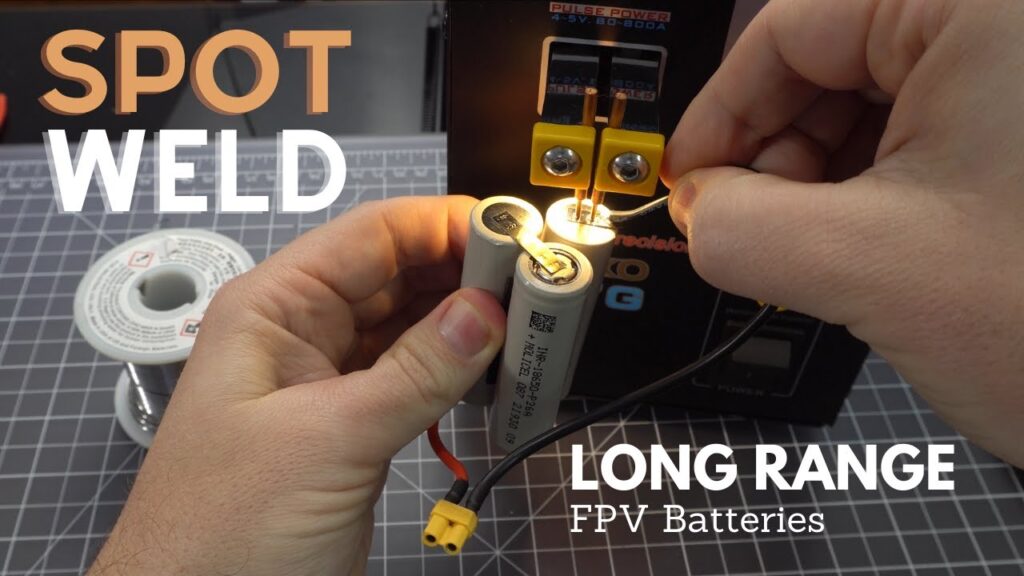
Why Spot Welding Reigns Supreme for Battery Connections
Spot welding creates high-amperage connections without compromising cell integrity. Unlike soldering, which applies sustained heat across terminals, spot welding concentrates extreme heat in milliseconds—preventing thermal runaway in sensitive lithium chemistries. The physics are fascinating: electric current flows through superposed metals, creating localized molten pools that fuse under electrode pressure.
This year, I tested laser welding and ultrasonic bonding on NMC cells. While laser precision impressed me, its $8K+ entry cost remains impractical for most. Hands-down, controlled-resistance spot welding delivers the best balance of performance, cost, and accessibility in 2025.
The 4 Non-Negotiable Welding Safety Protocols
- Full Discharge Protocol: Draining batteries to ≤3.0V/cell prevents internal arcing during welding. I use resistive load banks for bulk discharge.
- Fire Containment: Keep sand buckets and Class D extinguishers within arm’s reach—lithium fires triple in intensity every 20 seconds.
- Explosive Atmosphere Control: Ventilate workshops and ground work surfaces to dissipate flammable off-gassing.
- Personal Protection: Kevlar gloves + auto-darkening face shields are minimum PPE. Infrared thermometers continuously monitor terminal temps.
“Skipped discharging once last quarter. The molten nickel splash on my bench still smells like regret.”
Essential Battery Welding Gear (2025 Updates)
Core Equipment
- Spot Welder: MFJ-700 Pro (adjustable 0.5-3ms pulse width)
- Electrodes: Tungsten-copper tips (last 3x longer than pure copper)
- Conductive Strips: Pre-plated nickel-steel (0.15mm, handles 8A/mm²)
- Cell Fixtures: Laser-cut ABS holders prevent misalignment
Precision Measurement Tools
- Milliohm meter to verify connection resistance <2mΩ
- Thermal imaging camera for post-weld hotspot detection
- Cell balancer with wireless monitoring
How to Weld Battery Packs: Step-by-Step Process
Stage 1: Cell Prep and Voltage Matching
- Degrease terminals with electronic contact cleaner
- Group cells by voltage differential ≤0.02V using your multimeter
- Arrange cells in holder using 3P4S configuration (or your desired layout)
Pro Tip: Label cells with painter’s tape + sharpie. Reversing polarity during assembly fries BMS boards faster than you can say “thermal event.”
Stage 2: Nickel Strip Cutting and Placement
- Use stainless templates for consistent tab lengths
- Cut strips with ≥10mm overlap on terminals
- Roughen contact surfaces with 400-grit sandpaper
- Secure with Kapton tape before welding
Stage 3: Dialing in Welder Settings
| Cell Type | Material | Recommended Pulse | Pressure |
|---|---|---|---|
| 18650 Li-ion | Pure Nickel | 0.8ms | Medium |
| 21700 NMC | Ni-Plated Steel | 1.2ms | Firm |
| Prismatic LFP | Copper | DO NOT SPOT WELD* | N/A |
Prismatic cells require threaded terminal connections. Spot welding damages internal seals.
Stage 4: Precision Welding Technique
- Position electrodes perpendicular to terminals
- Apply steady downward pressure (no rocking!)
- Overlap welds 40% on strips >7mm wide
- Perform peel tests on sacrificial cells
- Always cool cells between welds
Common Newbie Error: Doubling pulse duration doesn’t strengthen welds—it vaporizes nickel coating. Increase amperagé instead.
Battery Management System Integration
Welding without BMS integration is like building a race car without brakes. In 2025, Bluetooth-enabled BMS units dominate serious builds. Here’s how to connect seamlessly:
- Solder voltage sense wires before final series welds
- Route balance leads with silicone-insulated 20AWG wire
- Apply epoxy strain relief at connection points
- Isolate BMS traces from main discharge paths
Testing Sequence:
- Charge parallel groups individually first
- Validate cell balancing within ±10mV
- Perform incremental load testing at 25%, 50%, 75% C-rate
When Soldering Becomes Acceptable (Spoiler: Rarely)
I’ve successfully soldered 5A NiMH packs—but for lithium chemistries, molten solder wicking into vent ports creates catastrophic failure risks. If you must solder:
- Use thermal shunts clipped below terminals
- Apply solder prefluxed with 2% silver
- Limit iron contact to <3 seconds
- Never exceed 300°C tip temperature
“Saw a cell swell like a balloon post-soldering last month. Gave the client’s project a very generous safety margin…”
Pro Troubleshooting Guide
| Problem | Cause | Solution |
|---|---|---|
| Nickel lifting off | Insufficient amp | Verify PSU output first |
| Electrode sticking | Dirty tips | Polish with emery cloth |
| Terminal pitting | Pressure too low | Increase force 20% |
| Intermittent connection | Oxidized strips | Scrub contacts pre-weld |
2025 Hazard Alert: Cycling vibrations fracture cold welds. Run packs through simulated vibration tests mimicking their application environment.
Closing Safety Reminders and Final Checks
Revisit your welding space: Are extinguishers visible? Ventilation running? Emergency protocols posted? How to weld battery packs safely always trumps speed or aesthetics. Before closing the pack:
- Load test at 1.5x C-rating
- Check every series group voltage
- Infrared scan for thermal anomalies
- Encapsulate terminals with silicone sealant
- Cycle pack 3x before deployment
Quality welds don’t shine like polished silver—they resemble dimpled meteorite surfaces under magnification. Master that texture, and you’ll build packs outperforming commercial alternatives at 1/3 the cost.
Now you can try it by yourself! How to weld battery packs is a journey of millimeter-perfect precision—not a one-time skill.