








Lithium-ion batteries have become ubiquitous in consumer electronics and electric vehicles. As convenient as they are, we’ve all experienced the frustration of our phone or laptop batteries losing capacity over time. What exactly causes this phenomenon? In this comprehensive guide, as a professional lithium battery packs manufacturer, we’ll explore the reasons behind lithium battery lose charge and what can be done about it.
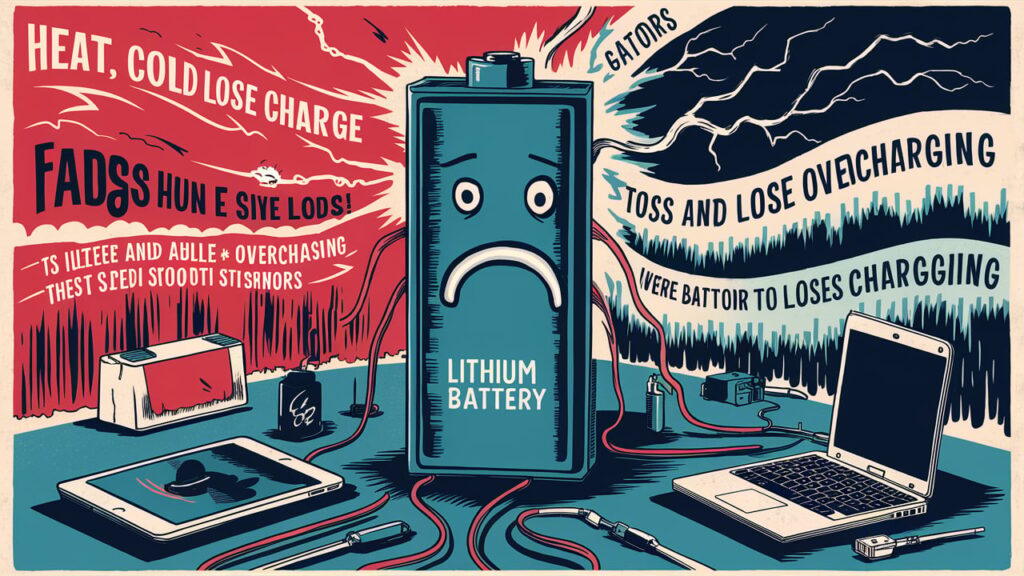
Why Lithium Batteries Lose Charge
During charging and discharging cycles, lithium ions shuttle between a battery’s anode and cathode. Unfortunately, with each cycle side reactions also occur, causing the battery to lose charge capacity over time. There are several key factors that contribute to this lithium ion battery degradation:
Solid Electrolyte Interphase (SEI) Layer Growth
The SEI layer forms on the anode surface and while it protects the battery, it also consumes lithium ions in the process. As it thickens with usage, the SEI layer hinders the ability of the anode to intercalate further lithium ions, lowering charge capacity.
Loss of Lithium Inventory
The cycling process itself causes loss of available lithium ions, referred to as loss of lithium inventory (LLI). The combined effects of SEI growth and LLI mean fewer lithium ions participate in cell reactions. This reduces cell voltage and usable capacity.
Structural Damage
The expansion and contraction of the electrodes over many cycles degrades materials and electrical connections within the cell. This increases resistance, lowers voltage and capacity retention.
Side Reactions
Reactions between cell components during operation generate insoluble residues. These coat electrode surfaces, hindering lithium ion transport and lowering capacity.
Key Causes of Lithium Battery Capacity Loss
Now let’s explore the main culprits behind capacity loss in more detail. Watch out for these battery killers!
Charge-Discharge Cycling
The more cycles, the more side reactions occur within a lithium ion cell. Capacity fades a little bit with every full or partial discharge-charge sequence. Best practice is to minimize cycling whenever possible to prolong overall battery lifespan.
Storage at High State of Charge
Keeping batteries at 100% charge for extended periods accelerates parasitic side reactions compared to lower charge states. Storing cells long-term below 80% charge level is recommended.
Exposure to High Temperatures
Heat energizes the chemistry within lithium ion cells. High temperatures multiply the rate of damaging side reactions leading to accelerated capacity loss. Keep cells cool for longest life.
Fast and Ultra-Fast Charging
Rapid charging speeds up side reactions and stresses cell components leading to accelerated deterioration. Slower charging rates are gentler, enabling cells to last longer.
Overcharging and Overdischarging
Pushing a lithium cell past its safe voltage operating area with excessive charge or discharge triggers severe capacity-sapping reactions. Quality battery management systems prevent this abusive operation.
Mitigating Lithium Battery Capacity Loss
While some capacity loss over time is inevitable, properly caring for lithium-based cells can maximize their usable lifespan. Some best practices include:
- Minimize full charge-discharge cycles
- Maintain cool battery temperature
- Utilize moderate charge and discharge rates
- Prevent overcharging and overdischarging
- Allow for larger initial cell capacity to offset fading
- Incorporate advanced battery monitoring algorithms
Adhering to operating guidelines tailored for lithium battery chemistry offers the best chance at slowing capacity loss. However when degradation reaches the point where cells no longer meet application needs, replacement becomes necessary.
The Takeaway
What causes lithium battery to lose charge? In summary, parasitic chemical reactions during cell cycling and storage reduce usable capacity over time. Managing temperature, charge rate, voltage levels, and cycles can help extend lithium-ion battery life but fading is unavoidable. With proper care though, cells can deliver years of effective service.
What causes lithium battery to lose charge? Side reactions and loss of lithium ions hamper cell performance, requiring replacement once capacity drops excessively. Following best practices minimizes deterioration rates, keeping batteries working longer.