








Lithium batteries have become an integral part of our daily lives. From smartphones and laptops to electric vehicles and pacemakers, lithium-ion batteries power many of the devices we rely on. But what exactly are lithium batteries used for? In this post, as a professional lithium battery packs manufacturer, I’ll outline the top uses of this versatile battery technology.
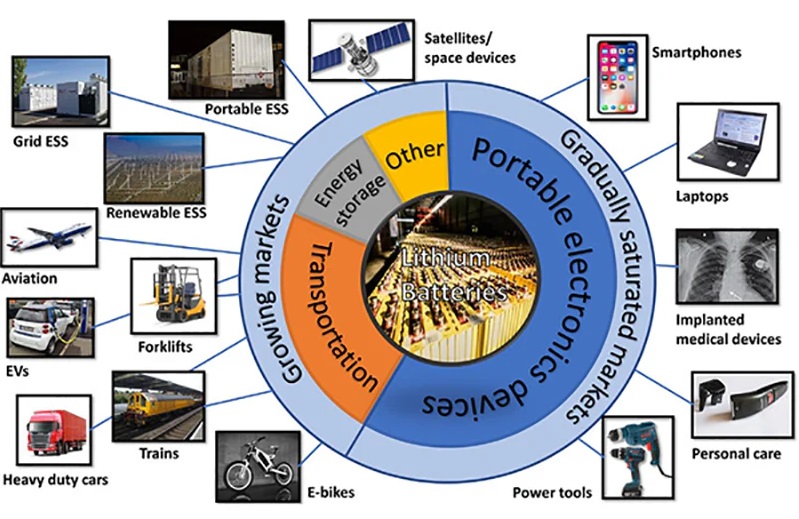
What are the uses of lithium battery?
Powering our mobile devices
One of the most common uses of lithium-ion batteries is in mobile consumer electronics like cell phones, tablets, and laptops. Compared to older battery chemistries like nickel-cadmium or nickel-metal hydride, Li-ion batteries are lighter, store more energy, and hold a charge longer. This allows device manufacturers to make thinner and more powerful mobile gadgets.
In fact, the lightweight and long-lasting nature of lithium batteries helped drive the mobile computing revolution. Without Li-ion batteries, our smartphones and laptops would be bulkier, die faster, and need recharging much more frequently.
So whether you’re browsing on your phone, video chatting on your tablet, or working on your laptop, you have lithium-ion batteries to thank for keeping you powered up on the go.
Storing renewable energy
Another major use of Li-ion batteries is in renewable energy storage systems. Solar panels and wind turbines produce energy intermittently, often when demand is low. Lithium batteries provide a solution by efficiently capturing this energy and discharging it later when needed.
Large, megawatt-scale lithium battery plants are increasingly being built alongside solar farms and wind installations. By storing the renewable energy these systems generate, Li-ion batteries make green power dispatchable 24/7. The stored solar or wind energy can then be used anytime – even at night or when winds are still.
In the residential sector as well, homeowners with rooftop solar often add lithium batteries like the Tesla Powerwall to harness more of their system’s potential. The battery stores extra solar energy during the afternoon to use after sunset.
So whether it’s smoothing out renewable energy production or enabling off-grid solar usage, Li-ion batteries are playing an integral role in the global transition to clean energy.
Propelling electric transport
Perhaps the most transformative emerging application of lithium batteries is in electric transport. Li-ion battery packs provide the lightweight, compact, and efficient energy storage electric vehicles (EVs) need.
Compared to gas-guzzling combustion engines, lithium-powered EVs convert over 77% of electrical energy into powering the wheels. This gives EVs superior efficiency in miles traveled per unit of stored energy. And with renewable energy powering the charging, lithium batteries enable truly clean transportation.
Already, plug-in Li-ion battery vehicles make up over 8% of new car sales in progressive markets like California. As battery technology keeps advancing and more auto brands release EV models, Li-ion powered transport promises to dominate roads of the future.
Besides cars, lithium batteries also enable electrification of scooters, bikes, buses, trains, mining trucks, ships and maybe one day even aircraft! So from helping clean our skies to quieting cities, lithium batteries are driving the vehicle revolution.
Lifesaving medical implants
An especially impactful medical use of lithium batteries is in implants that save and improve lives. Implantable cardioverter defibrillators (ICD) and pacemakers rely on lithium cells boasting 10+ year lifespans to keep delivering rapid, lifesaving therapies.
Neural implants that interface with the brain also utilize lithium power sources. These cutting-edge devices have already granted paraplegics the ability to walk again and speech-impaired persons the means to communicate.
Cochlear implants that help the profoundly deaf hear and retinal implants restoring basic vision also leverage these compact batteries. Even future technologies like bionic arms and exoskeletons meant to rehabilitate stroke victims are likely to be lithium-ion powered.
And with scientists continually expanding the medical frontiers lithium batteries make possible, this application sector will only grow.
Powering smart wearables
On the less critical end of medical technology, lithium also enables the burgeoning wearable health tracking industry. Fitness bands, smart watches, and wireless headphones pack lithium cells into ultra-compact form factors.
The Apple Watch Series 5, for instance, runs for over 18 hours on an enduring 1.17 watt-hour Li-ion cell. Lithium’s low self-discharge means these tiny cells hold just enough charge between nightly or weekly recharges. And their flat voltage curve allows the smart wearables circuitry to efficiently drain nearly every last volt.
With technology improving to make lithium batteries smaller yet more powerful, tomorrow’s smartest wearables are also likely to tap Li-ion cells. Companies like Tesla even envision lithium microbatteries woven eventually into everyday fabrics!
So whether worn on our wrists or sewn into our clothing, lithium cells have an exciting wearable future.
Powering industrial robots & automation
Lithium batteries are also facilitating automation across various industries. Warehouse robots efficiently sorting and delivering parcels run on lithium power. Sensor-equipped drones surveying agricultural lands also employ small Li-ion cells for remote piloting.
Even automated vacuum cleaners, lawnmowers, and lifts make use of lithium’s stable energy density in compact form factors. But that’s just the beginning. Emerging mobile robots that roam offices and workshops providing services rely on swappable Lithium packs to remain operational 24/7 without long recharges.
So from empowering autonomous vacuum cleaners in homes to enabling organizations globally to leverage innovative robotics, lithium batteries are driving efficiencies. With expanding capabilities of automated technologies across sectors, lithium promises to play an even greater role in this space going forward.
Key takeaways
As outlined, lithium-ion batteries have widespread, often irreplaceable usage across:
- Mobile consumer electronics
- Renewable energy storage
- Electric transportation
- Medical technology
- Smart wearables
- Industrial automation
And given lithium technology’s continual improvement trajectory, more applications leveraging Li-ion’s strengths lie in store. So from energizing gadgets powering modern lifestyles to propelling forthcoming innovations, the future remains bright for versatile lithium batteries!