








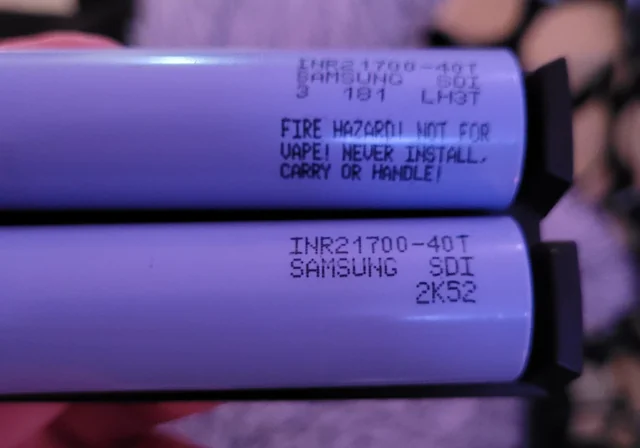
Lithium-ion 18650 batteries have become extremely popular in vaping devices over the years. However, many 18650 batteries clearly state “not for vaping” on the wrappers. This has left many vapers confused as to whether these batteries can actually be safely used for vaping.
As a professional 18650 battery pack manufacturer, I will help you to find it out!
18650 Batteries – A Primer
For those new to vaping, let’s first understand what 18650 batteries are and why they are used in vaping devices:
What Are 18650 Batteries?
18650 refers to the size of the lithium-ion battery – they are 18mm in diameter and 65mm in length. The 18650 form factor offers a good balance between size and power output.
These batteries have been used for years in laptops, power tools, and other devices requiring high current drain. Many reputable companies like Samsung, Sony, LG make 18650 batteries.
Why Are 18650 Batteries Used in Vapes?
Vaping devices require batteries that can deliver high current on demand to heat up coils quickly. 18650 cells are ideal for this due to:
- High discharge rating (continuous and pulse)
- High capacity allowing for longer vaping time between charges
- Ease of carrying multiple spare batteries
So while built-in batteries may be convenient, removable 18650 cells give vapers far more flexibility.
Now back to the question ↓
Why Do 18650 Batteries Say Not for Vaping?
There are a few reasons 18650 battery manufacturers like Samsung explicitly warn against using these batteries in vaping devices:
Legal/Liability Concerns
Lithium-ion batteries manufactured by companies like Samsung, Sony and LG are primarily intended for industrial applications such as power tools, electric vehicles etc.
They must adhere to various safety regulations pertaining specifically to these industrial usages.
These regulations may not necessarily account for consumer usage scenarios like vaping.
So from a legal standpoint, battery manufacturers have to spell out batteries are “not for vaping” – to limit any potential liability if an accident does occur.
Safety Risks
No reputable company wants their products being misused in ways that could pose unreasonable safety hazards. And yes, while rare, horror stories of vape batteries exploding do float around.
Fact is, these incidents are almost always traced back to:
The way cells were charged
Heat exposure during vaping
Incompatible chemistry/ratings between battery & vaping device
User error/carelessness
So when Samsung and other vendors advise against using 18650 cells in vapes, they are erring on the side of maximum caution.
But as I’ll explain shortly, these risks can be easily minimized as long as we…
Using 18650s Safely is Key
At the end of the day, how the 18650 batteries are handled, stored and operated within vaping devices determines whether they pose any substantial hazards for vapers.
Follow these tips and you can safely enjoy using 18650 cells for vaping:
1. Buy Authentic Cells From Reputable Vape Retailers
Avoid cheap cells from obscure sources (like eBay or Amazon) since you can’t be sure about quality or even authenticity.
For US and Canada, some top recommended vendors:
- liionwholesale.com
- imrbatteries.com
- 18650batterystore.com
When buying 18650s make sure model numbers match those from official spec sheets.
2. Use Battery Cases/Sleeves During Storage/Transportation
Always keep spare 18650 batteries in plastic cases to prevent accidental short circuiting. Shorts can happen easily with loose cells – when metal contacts touch keys or coins in a pocket/bag which leads to rapid discharge resulting in extremely dangerous situations.
So keeping cells in silicone sleeves or a battery carrier case is vital.
3. Check Battery Rating Compatibility With Vaping Device
Not all 18650 lithium-ion cells have the same current rating. A 30A cell isn’t necessarily interchangeable with one rated at 15A.
Before using 18650 batteries in any regulated/unregulated mod, checking the operating limits of BOTH:
- Battery’s max continuous & pulse discharge currents
- Device’s current requirements
is imperative from a safety standpoint, besides impacting vape experience. High drain 30A+ cells like Samsung 30Q are quite popular in sub-ohm setups.
But always cross-verify specifications. Using an under-rated battery in a power-hungry mod means putting undue stress on the cell which serves as a recipe for trouble.
4. Inspect Cells and Rewrap As Needed
Before each use, check 18650 surface for signs of damage like tears, holes, dents on the outer wrapper. Immediately re-wrap or replace cells that show wrapper damage. Don’t take chances!
Same goes for topping insulating rings near the positive terminal – replace cells with any insulator damage. Wrappers and insulators prevent internal shorts, which can otherwise lead to catastrophic failure.
5. Avoid Charging Cells in Mod Itself
While convenient, charging via USB puts sustained strain on most vape devices since they aren’t designed for it.
Instead, invest in a dedicated 18650 battery charger for properly charging cells externally. This minimizes potential issues and is simply the safer choice.
Nitecore, XTAR and Gyrfalcon are some excellent charger brands worth checking out.
6. Monitor During Charging & Don’t Overcharge!
No matter what charger you use, never charge unattended! Lithium-ion cells are volatile and things can go downhill fast if they overheat.
Once charging completes, immediately remove batteries from the charger. Accidental trickle charging degrades battery life quicker and again poses safety issues in rare cases.
As a rule, 18650 cells must never be charged beyond 4.2V max voltage threshold. Quality chargers have controls preventing overcharging.
7. No Compatible Married Batteries in Multi-Cell Mods!
In regulated or mechanical mods needing 2+ cells, using “married” batteries that are identical in make, age, capacity etc is absolutely critical.
Mismaches strain individual cells unevenly which often catalyzes thermal runway failure. So always keep sets of married batteries together throughout their usable lifetime.
These 7 tips will let you safely enjoy the benefits of removable 18650 batteries in any vaping device. While their specifications mean these cells shouldn’t be explicitly used for vaping, following basic safety best practices minimizes all risks if using them responsibly.
Main Takeways
Manufacturers advise against vaping usage only from legal/liability standpoints or to emphasize safety. When handled correctly, quality 18650 lithium-ion cells pose no inherent higher risks for vaping uses.
The onus lies upon users to utilize proper safety measures as outlined earlier. This encompasses aspects like:
- Buying authentic cells from vetted vendors
- Using battery cases
- Rating compatibility checks
- Regular wrap inspections
- External charging
- Never overcharging
- Married batteries
So by following basic guidelines, vapers can safely unlock the true potential of removable 18650 battery setups in any style of device.
In closing, if you feel unsure about handling lithium-ion cells…
Consider regulated mods housing proprietary built-in batteries that cannot be accessed externally. While this limits customizability, it also guarantees safety with zero direct user exposure to the cells.
Otherwise adhering to the battery safety fundamentals, getting quality 18650 cells from reputable suppliers gives vapers unmatched freedom to enjoy stellar performance safely!
So go ahead, experience the versatility of the perfect 18650 lithium cell for your style of vaping!