








A swollen battery pack can seem alarming, but it’s crucial to handle it properly to avoid potential danger. As a professional lithium battery pack manufacturer, I will share some best practices for dealing with puffy battery packs safely.
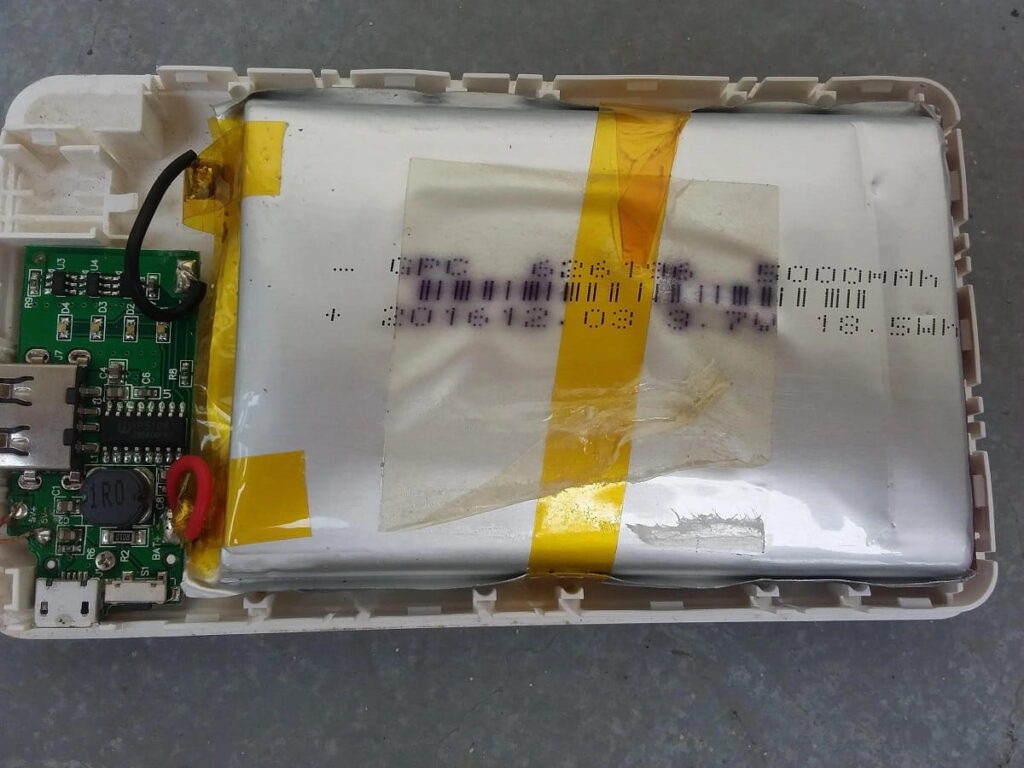
Why Battery Packs Swell Up
Modern gadgets use lithium-ion batteries to deliver power in compact form factors. However, these complex chemical systems are sensitive. As batteries age through repeated charge/discharge cycles, their internal components begin breaking down, releasing gases that cause swelling.
Manufacturing defects, overcharging, excessive heat exposure, or physical damage can also trigger swelling by disrupting the delicate internal structure of lithium-ion cells. While not extremely common, swollen batteries pose risks for device damage and personal injuries. When in doubt, err on the side of caution.
Recognizing a Swollen Battery
Detecting a swollen battery pack early allows quicker action to mitigate issues. Subtle clues include reduced battery lifespan on full charges, sporadic device behavior, excess heat generation, and slight bulges under casing.
Pronounced symptoms manifest as misaligned ports/buttons, visibly bloated battery compartments, extreme device warmth, or pungent chemical odors from venting gases. If you suspect your battery pack exhibits any of these markers, consider it hazardous until proven otherwise.
Carefully run the battery down, avoid charging the device, back up data, and prepare to properly isolate and dispose of the compromised power cell. Don’t delay inspection or necessary precautions.
What to Do With a Swollen Battery Pack? Handling Safely
When dealing with a swollen battery pack, safety takes priority. Lithium-ion cells contain complex reactive chemicals prone to thermal runaway when unstable, making them fire and explosion risks. Take preventative steps:
Work in a Ventilated Area
Swelling produces noxious gas, so maximize airflow circulation. Move activities outside if possible and avoid enclosed spaces. Position swollen cells away from people and valuables in case of rupture or flames.
Don PPE (Personal Protective Equipment)
Wear safety goggles, gloves, long sleeves, closed toe shoes, and mask if available. This gear limits injuries from heat, caustic chemicals, and potential explosions. Have a fire extinguisher and baking soda on hand to smother lithium flames.
Avoid Agitating Cell
Prevent additional damage or sudden failure—don’t squeeze, pierce, drop, or apply pressure to the swollen battery pack. Carefully place it in a fireproof container like a metal bucket of sand or bucket of water.
Seek Professional Support
Unless you have training and proper tools, refrain from directly extracting swollen cells from devices. Consult authorized technicians to safely assess and handle removal. Alternatively, place the entire unit (swollen battery still inside) in a non-flammable container away from combustibles.
Recycling Puffed-Up Batteries Correctly
Swollen lithium-ion batteries require special e-waste disposal methods. Locate an authorized battery recycling point or hazardous materials recovery center in your region. General waste and landfills won’t accept hazardous materials.
If your swollen battery pack came with an original device, contact the manufacturer—many have battery return/replacement initiatives. For third-party/stand-alone battery packs, lookup government guidelines and policies around lithium-ion battery disposal in your area.
Avoiding Battery Bloat Altogether
While swollen batteries inevitably crop up despite best practices, following certain usage tips helps reduce their likelihood:
- Use only certified, manufacturer-recommended battery packs and charging accessories. Quality matters.
- Don’t overcharge devices—once fully juiced up, disconnect.
- Prevent exposure to temperature extremes high or low.
- Immediately replace damaged batteries showing wear.
- Learn to recognize warning signs of poor battery health.
- Check charging equipment and battery for issues annually.
Staying informed, avoiding misuse, intelligently managing equipment, and properly recycling deformed cells limits risks associated with modern battery packs. Put safety first, act quickly on problems, and dispose of faulty batteries responsibly.
What to Remember About Swollen Battery Packs
Lithium-ion battery swelling signals impending device failure at best and serious accidents at worst. Recognizing symptoms early allows properly handling the volatile power cells. Seek expert assistance if needed, adhere to safety protocols, and correctly recycle puffy battery packs after isolation. With vigilance and care, device users can manage unstable batteries effectively.