







Custom Voltage Battery Pack Manufacturer
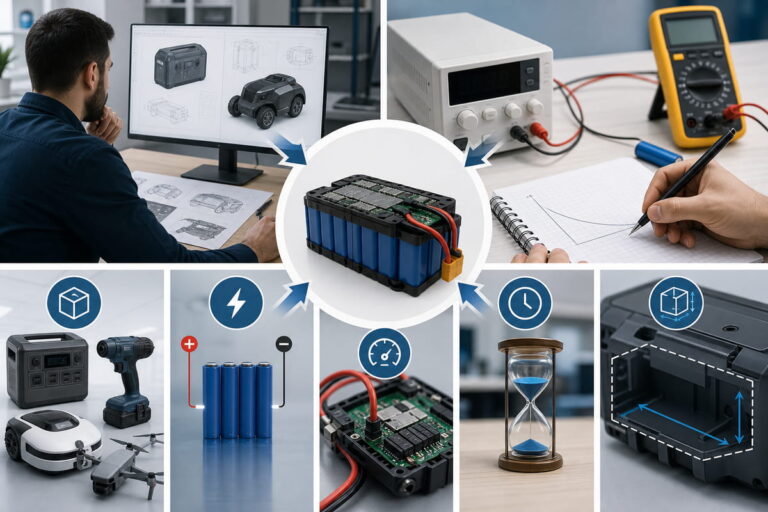
Need a battery pack with a specific voltage for your product? Nuranu designs and manufactures custom voltage battery packs based on your device’s electrical requirements, available space, runtime target, current demand, and charging system.
Instead of adapting your product to an off-the-shelf battery, we can design the battery pack around your product. Our engineers can customize: battery voltage, series cell configuration, battery capacity, cell type, BMS, connector, battery dimensions, charging requirements and protection functions.
From prototype quantities to OEM mass production, Nuranu provides complete custom battery pack development and manufacturing.
Why Custom Battery Voltage Matters
Battery voltage directly affects how your product’s electrical system operates.
Using an unsuitable battery voltage can result in:
- Insufficient power
- Excessive current
- Reduced motor performance
- Charging problems
- BMS protection issues
- Component stress
- Reduced operating efficiency
For products with motors, controllers, electronics, sensors, or communication systems, battery voltage must be considered together with the entire electrical architecture.
Nuranu helps customers determine a practical battery configuration based on the requirements of the final product.
How Battery Pack Voltage Is Configured
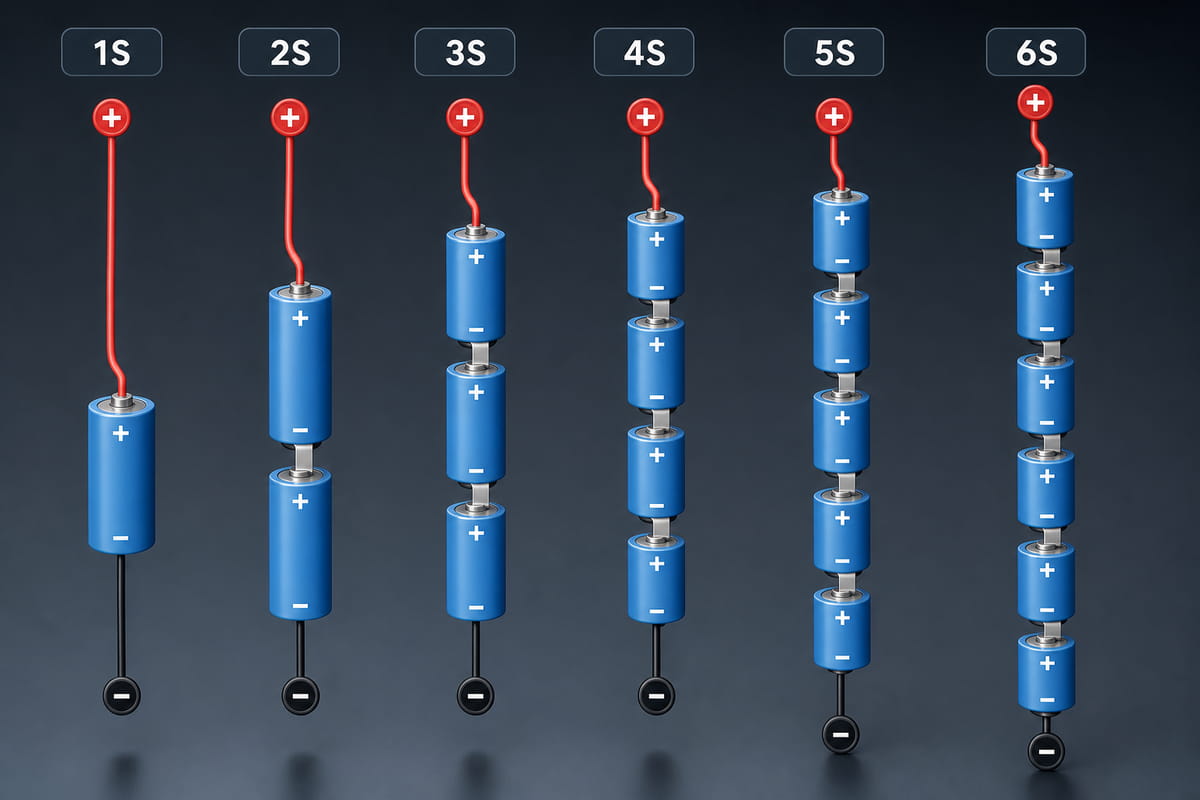
Lithium battery packs are commonly configured by connecting cells in series.
Adding cells in series increases the pack’s nominal voltage.
For example:
- 1S → 1 cell in series
- 2S → 2 cells in series
- 3S → 3 cells in series
- 4S → 4 cells in series
- 5S → 5 cells in series
- 6S → 6 cells in series
For a typical lithium-ion cell with a nominal voltage around 3.6–3.7V:
| Configuration | Approx. Nominal Voltage |
|---|---|
| 1S | 3.6–3.7V |
| 2S | 7.2–7.4V |
| 3S | 10.8–11.1V |
| 4S | 14.4–14.8V |
| 5S | 18.0–18.5V |
| 6S | 21.6–22.2V |
| 7S | 25.2–25.9V |
| 8S | 28.8–29.6V |
| 10S | 36.0–37.0V |
| 13S | 46.8–48.1V |
- The exact nominal voltage depends on the selected cell chemistry and specification.
- The maximum charging voltage is different from nominal voltage and must also be considered when designing the battery and charger.
Nominal Voltage vs. Full-Charge Voltage
One common mistake in battery selection is treating a lithium battery’s voltage as a single fixed value.
A battery pack normally has several relevant voltage values:
- Nominal voltage
- Fully charged voltage
- Minimum operating voltage
- Cutoff voltage
For example, a typical lithium-ion cell may have a nominal voltage around 3.6–3.7V and a full-charge voltage around 4.2V.
Therefore, a 3S lithium-ion pack can have approximately:
- Nominal voltage: ~10.8–11.1V
Full-charge voltage: ~12.6V
The battery design, BMS, charger, and product electronics must all be compatible with these voltage characteristics.
Custom Voltage Battery Pack Configurations
Nuranu can develop battery packs using different series and parallel configurations.
Common examples include:
- 1S1P
- 2S1P
- 3S1P
- 3S2P
- 4S1P
- 4S2P
- 5S2P
- 6S2P
- 7S2P
- 10S2P
- 13S2P
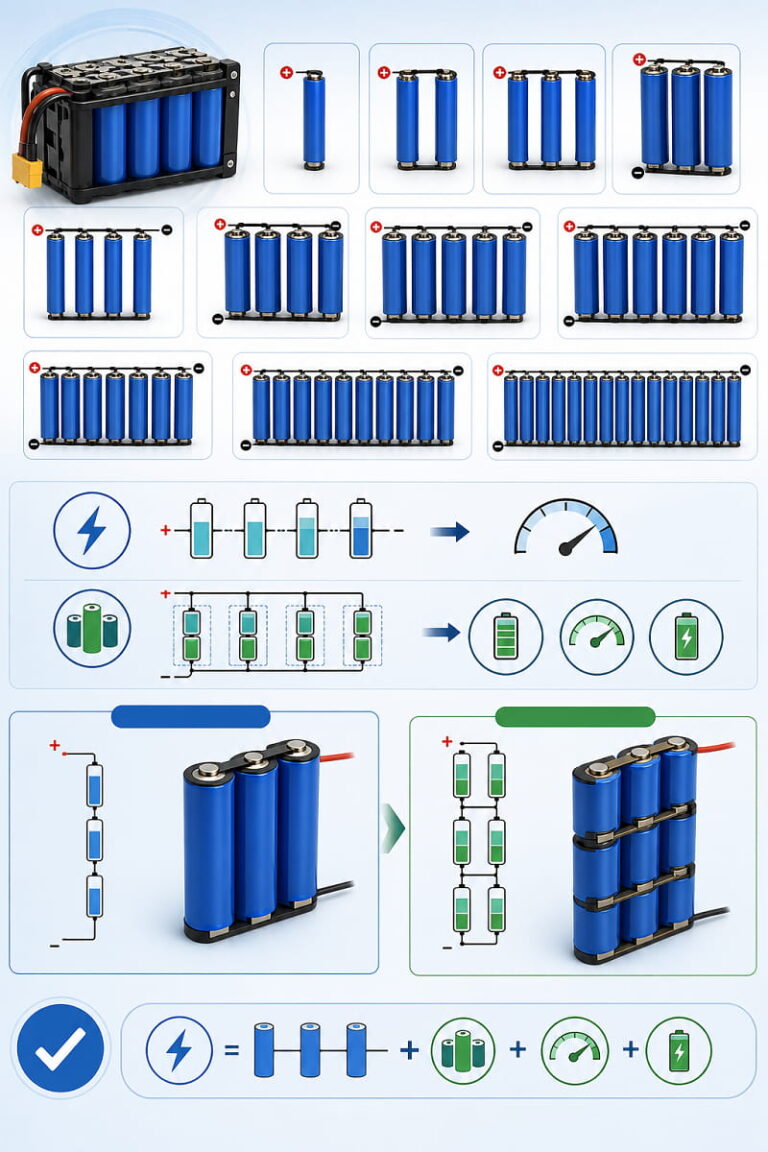
The configuration determines more than voltage.
Parallel cells can also increase:
- Capacity
- Available current
- Energy storage
For example:
- 3S1P uses three cells in series.
- 3S2P uses six cells arranged as three series groups with two cells in parallel per group.
Therefore: Series configuration primarily determines voltage, while parallel configuration increases capacity and current capability.
Custom Voltage and Capacity Work Together
A custom battery specification should normally include both voltage and capacity.
For example:
- 11.1V 2Ah
- 11.1V 4Ah
- 14.8V 5Ah
- 18.5V 10Ah
- 22.2V 20Ah
Two battery packs can have the same voltage but very different capacities and physical configurations.
Nuranu can optimize the battery pack based on:
- Voltage
- Capacity
- Current
- Runtime
- Size
- Weight
- Cell availability
- Cost targets
This is why our custom voltage service is closely connected to our Custom Capacity Battery Pack service.
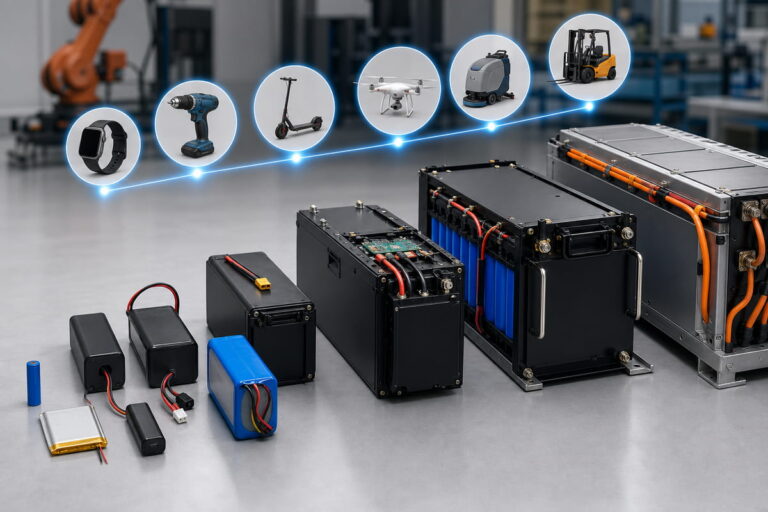
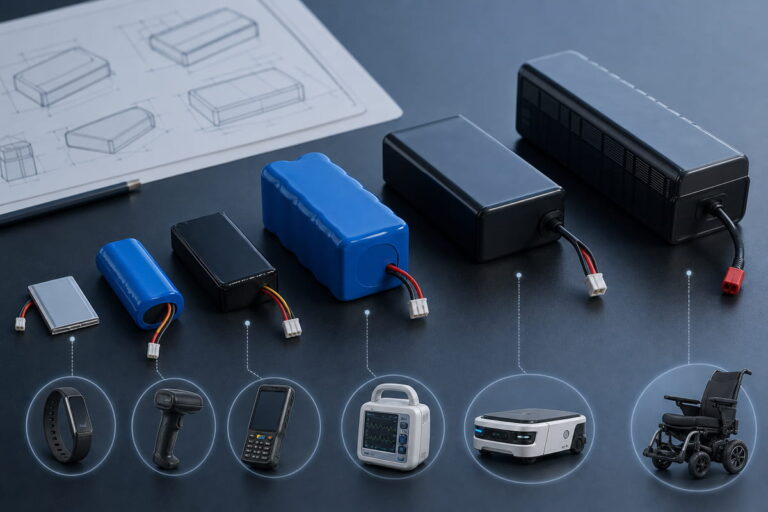
Custom Voltage Battery Solutions for Different Applications
Nuranu develops custom voltage battery packs for a wide range of products.

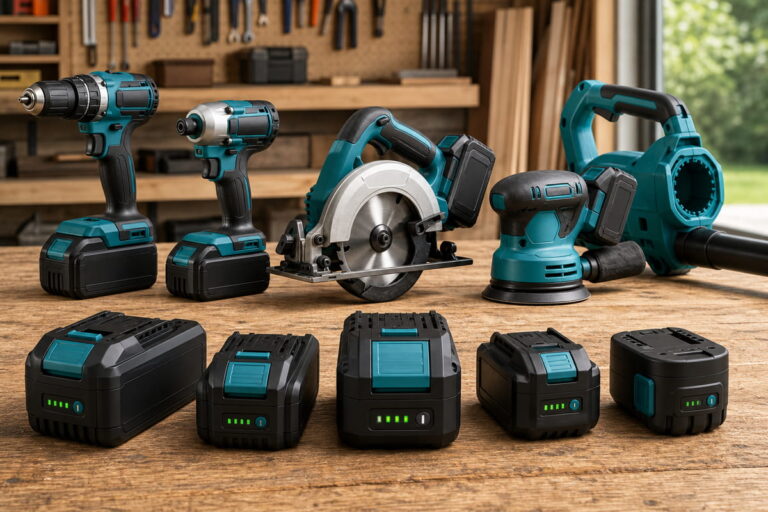
Power Tools
Custom battery packs for:
Cordless drills
Impact drivers
Saws
Sanders
Outdoor power equipment
Battery voltage can be engineered according to motor and controller requirements.
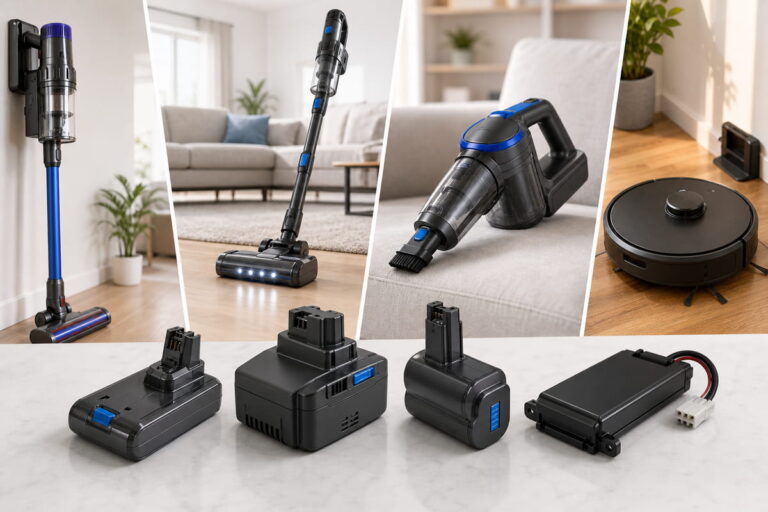
Vacuum Cleaners
Custom battery solutions for:
Cordless vacuum cleaners
Stick vacuums
Handheld vacuums
Robot vacuum cleaners
The battery can be designed around:
Motor voltage
Runtime
Available battery compartment
Charging system

Robotics
Battery packs for:
Mobile robots
AGVs
AMRs
Autonomous equipment
Service robots
Custom voltage configurations can help match the battery to motor controllers, electronics, and other onboard systems.

Medical Devices
For appropriate medical and healthcare applications, battery packs can be customized according to:
Voltage
Capacity
Size
Runtime
Protection requirements
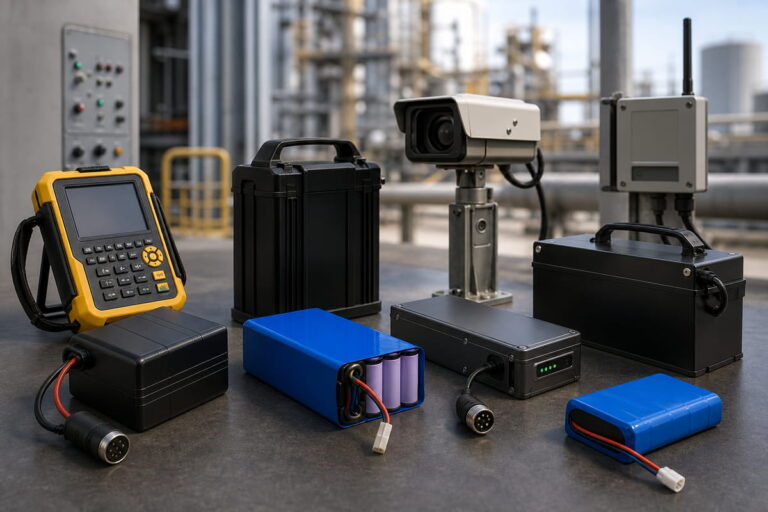
Industrial Equipment
Applications include:
Portable instruments
Inspection equipment
Monitoring systems
Industrial electronics
Mobile equipment

IoT & Smart Devices
Compact battery packs can be designed for:
IoT equipment
Sensors
Smart home devices
Tracking systems
Portable electronics
Custom Lithium Battery Voltage Options
Nuranu can design different voltage configurations according to the selected cell chemistry.
Lithium-Ion Battery Packs
Lithium-ion cells are widely used for:
- Power tools
- Vacuum cleaners
- Robotics
- Portable equipment
- Consumer electronics
Advantages include:
- High energy density
- Compact size
- High power capability
- Flexible configuration
LiFePO4 Battery Packs
LiFePO4 cells have different voltage characteristics from conventional lithium-ion cells.
They are often selected when applications prioritize:
- Long cycle life
- Thermal stability
- Safety
- Durable operation
Nuranu can design LiFePO4 battery configurations according to the application’s voltage requirements.
Lithium Polymer Battery Packs
LiPo batteries are suitable when:
- Space is limited
- A custom shape is required
- Weight is important
- A compact battery structure is needed
Custom BMS for Voltage Requirements
A custom voltage battery pack requires a BMS designed for the specific series configuration.
For example:
- 3S battery → 3S BMS
- 4S battery → 4S BMS
- 6S battery → 6S BMS
- 10S battery → 10S BMS
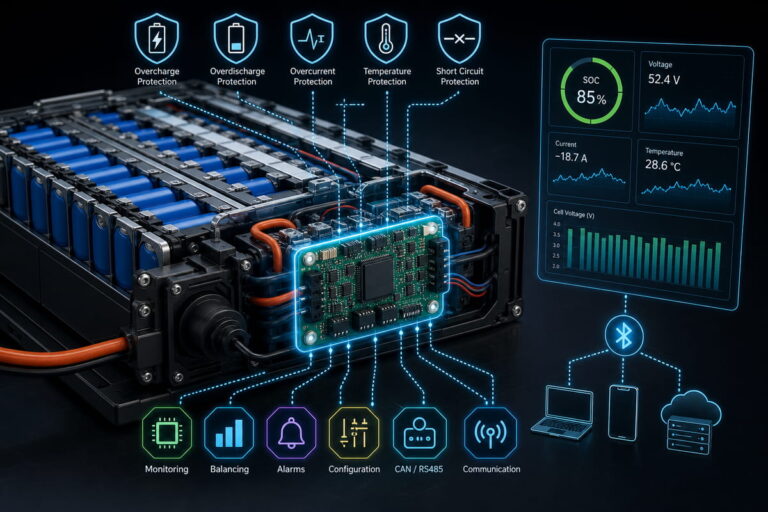
Depending on the application, the BMS can provide:
- Overcharge protection
- Over-discharge protection
- Over-current protection
- Short-circuit protection
- Temperature monitoring
- Cell balancing
For advanced applications, communication functions can also be integrated.
Custom Battery Charging Requirements
Changing battery voltage can also affect the charging system.
The charger must be compatible with:
- Battery chemistry
- Series cell count
- Full-charge voltage
- Charging current
- BMS configuration
For example, a typical 3S lithium-ion battery pack reaches approximately 12.6V when fully charged.
Therefore, the charger must be designed for the correct charging voltage rather than simply matching the battery’s nominal voltage.
Nuranu can evaluate battery and charging requirements during the development process.
Custom Voltage Battery Pack Design Process
Step 1 — Understand Your Product
We evaluate:
- Product type
- Operating voltage
- Current requirements
- Runtime target
- Available battery space
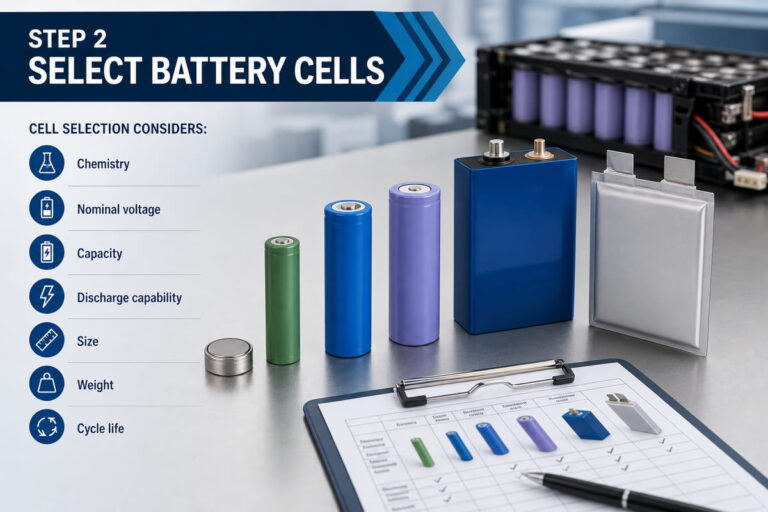
Step 2 — Select Battery Cells
Cell selection considers:
- Chemistry
- Nominal voltage
- Capacity
- Discharge capability
- Size
- Weight
- Cycle life
Step 3 — Determine Series Configuration
The required voltage is used to determine the appropriate series configuration.
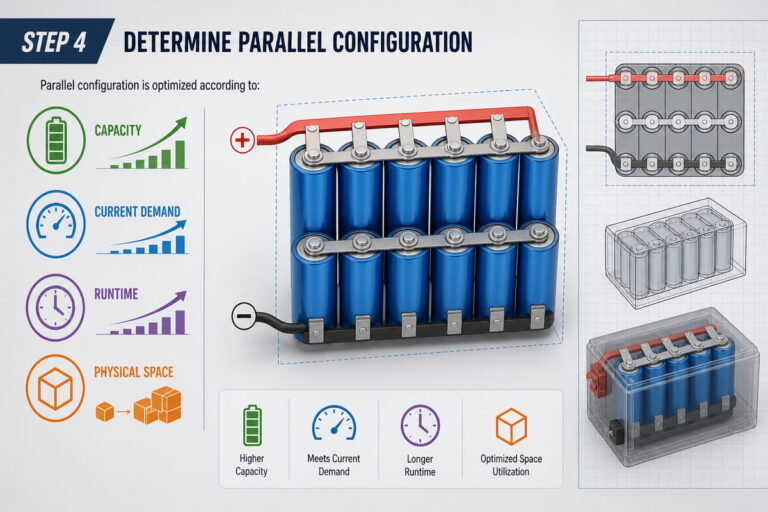
Step 4 — Determine Parallel Configuration
Parallel configuration is optimized according to:
- Capacity
- Current demand
- Runtime
- Physical space
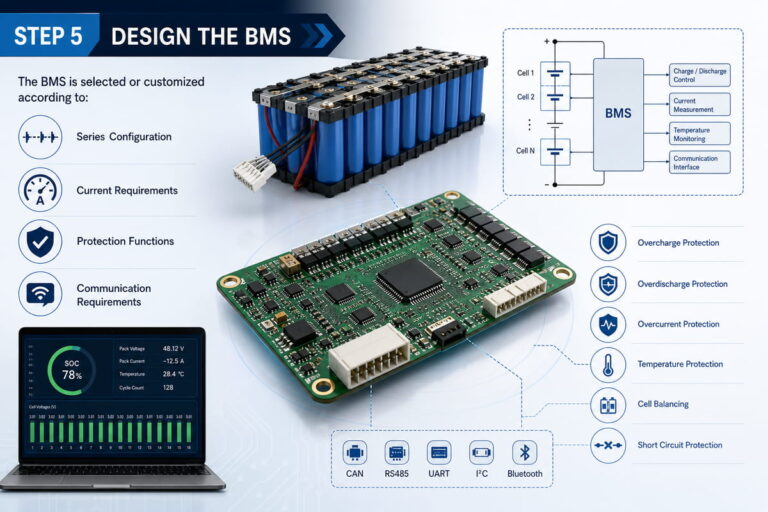
Step 5 — Design the BMS
The BMS is selected or customized according to:
- Series configuration
- Current requirements
- Protection functions
- Communication requirements
Step 6 — Build Prototype
Prototype batteries are produced for:
- Electrical testing
- Mechanical testing
- Charging validation
- Product compatibility
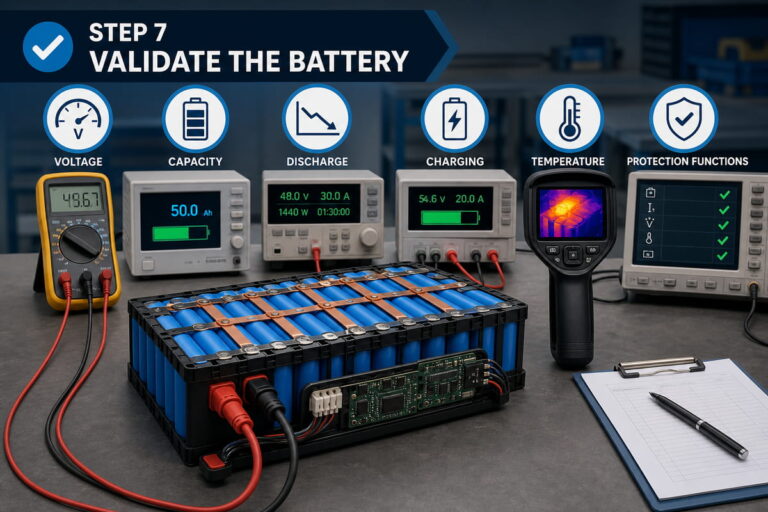
Step 7 — Validate the Battery
Testing can include:
- Voltage
- Capacity
- Discharge
- Charging
- Temperature
- Protection functions
Step 8 — Mass Production
After customer approval, the finalized battery design moves into OEM production.
Custom Voltage Battery Pack Manufacturing
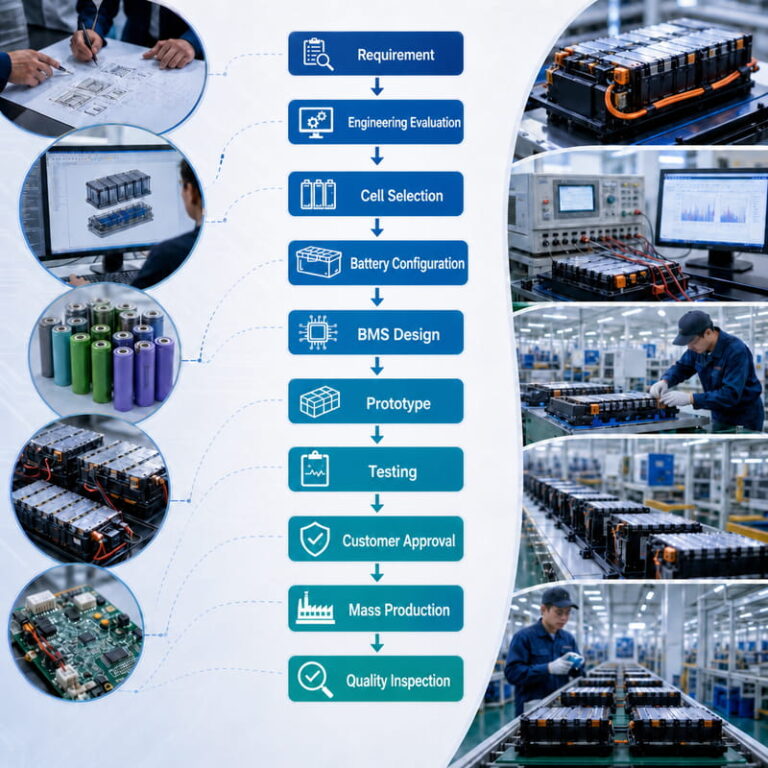
Nuranu supports the complete battery manufacturing lifecycle.
Requirement
↓
Engineering Evaluation
↓
Cell Selection
↓
Battery Configuration
↓
BMS Design
↓
Prototype
↓
Testing
↓
Customer Approval
↓
Mass Production
↓
Quality Inspection
This integrated approach reduces communication gaps between battery engineering and manufacturing.
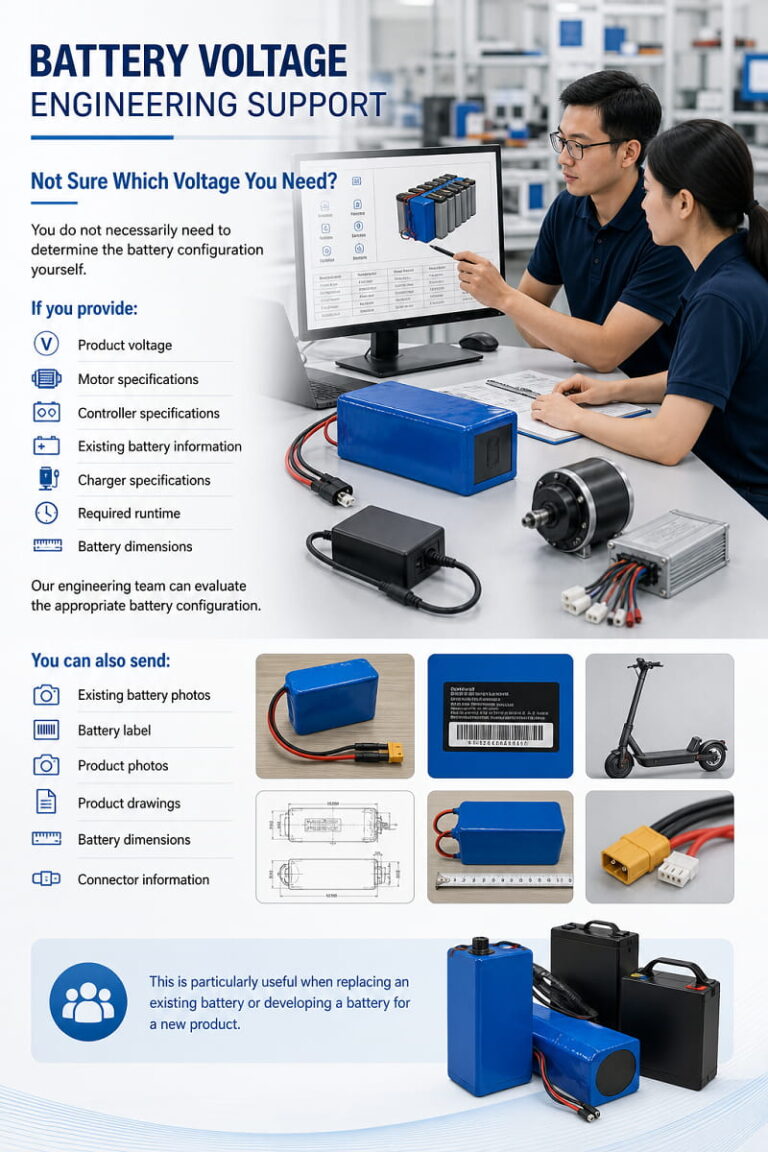
Battery Voltage Engineering Support
You do not necessarily need to determine the battery configuration yourself.
If you provide:
- Product voltage
- Motor specifications
- Controller specifications
- Existing battery information
- Charger specifications
- Required runtime
- Battery dimensions
our engineering team can evaluate the appropriate battery configuration.
You can also send:
- Existing battery photos
- Battery label
- Product photos
- Product drawings
- Battery dimensions
- Connector information
This is particularly useful when replacing an existing battery or developing a battery for a new product.
Custom Battery Voltage for Replacement Applications
Custom voltage battery design is also useful when developing replacement batteries.
Nuranu can analyze an existing battery and evaluate:
- Original voltage
- Cell configuration
- Capacity
- BMS
- Connector
- Dimensions
- Charging requirements
This allows us to develop a compatible replacement battery rather than relying solely on generic specifications.
See our:
Why Choose Nuranu Battery?
Custom Engineering
Battery specifications are developed around the customer's product rather than limited to standard configurations.
Flexible Cell Configurations
We can optimize series and parallel configurations according to voltage, capacity, current, and space requirements.
Integrated BMS Solutions
BMS protection and communication functions can be incorporated into the battery design.
Prototype to Mass Production
Customers can move from initial battery samples to production through one manufacturing partner.
OEM / ODM Manufacturing
Nuranu supports: OEM battery production, ODM battery development, private label manufacturing and bulk battery supply
Quality Control
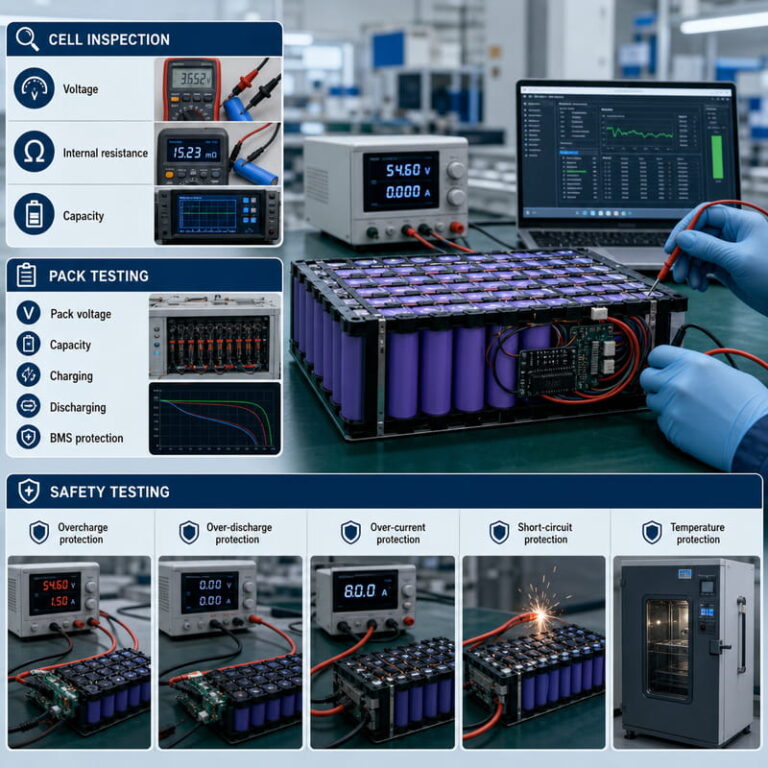
Every custom battery project requires appropriate quality control. Depending on the battery design, Nuranu can perform:
Cell Inspection
- Voltage
- Internal resistance
- Capacity
Pack Testing
- Pack voltage
- Capacity
- Charging
- Discharging
- BMS protection
Safety Testing
- Overcharge protection
- Over-discharge protection
- Over-current protection
- Short-circuit protection
- Temperature protection
What We Need for a Custom Voltage Battery Quote
To evaluate your project efficiently, send us:
| Requirement | Example |
|---|---|
| Battery voltage | 14.8V |
| Capacity | 5Ah |
| Application | Cordless vacuum |
| Maximum dimensions | 150 × 70 × 40 mm |
| Continuous current | 10A |
| Peak current | 20A |
| Runtime | 45 minutes |
| Battery chemistry | Li-ion |
| Connector | Existing connector |
| BMS | Required |
| Quantity | 1,000 pcs |
If you don’t have all the specifications, that’s okay. Send us your existing battery, product photos, drawings, or basic electrical requirements and our engineers can help evaluate the project.
Custom Voltage Battery Pack FAQ
What is a custom battery pack?
A custom battery pack is a rechargeable battery assembly designed specifically around the electrical, mechanical, and operating requirements of a particular product.
Can you manufacture a battery with a specific voltage?
Yes. Nuranu can design battery packs around specific voltage requirements by selecting an appropriate cell chemistry and series configuration.
Can you customize both voltage and capacity?
Yes. Voltage and capacity can be engineered together using different series and parallel cell configurations.
What is the difference between battery nominal voltage and full-charge voltage?
Nominal voltage represents the typical rated voltage of a battery, while full-charge voltage represents the voltage reached when the battery is fully charged. The exact values depend on battery chemistry and cell design.
Can you make 12V, 24V, or 48V battery packs?
Yes. Nuranu can develop battery configurations for different voltage requirements. The appropriate cell configuration depends on the selected chemistry and the electrical requirements of the application.
Can you customize the BMS for the battery voltage?
Yes. The BMS must be compatible with the battery’s series cell configuration and electrical requirements.
Can you develop a custom charger with the battery?
Nuranu can evaluate charging requirements and battery-charger compatibility as part of the battery development process.
Can you manufacture custom voltage batteries in bulk?
Yes. Nuranu supports prototype development, pilot production, and OEM mass manufacturing.
What is your minimum order quantity?
MOQ depends on the battery design, cells, tooling, certification requirements, and production volume. Contact Nuranu with your project specifications for an evaluation.
Can you develop a replacement battery from an existing battery?
Yes. Existing battery specifications, photos, dimensions, labels, connectors, and samples can be used as references during battery development.
Need a Battery With a Specific Voltage?
Whether you need a 7.4V, 11.1V, 14.8V, 18.5V, 24V, 36V, 48V, or another custom battery configuration, Nuranu can evaluate the electrical and mechanical requirements and develop a suitable battery pack. Send us your battery specifications, product drawings, existing battery photos, or sample.