








18650 batteries have become incredibly popular. You’ll find them in all sorts of devices these days, from laptops and electric vehicles to flashlights and even e-cigarette vaporizers. But with so many options to choose from, how do you ensure you select the right 18650 battery?
In this comprehensive guide, as a professional 18650 battery pack manufacturer, I’ll walk you through everything you need to know to find the perfect 18650 battery for any application in 2025.
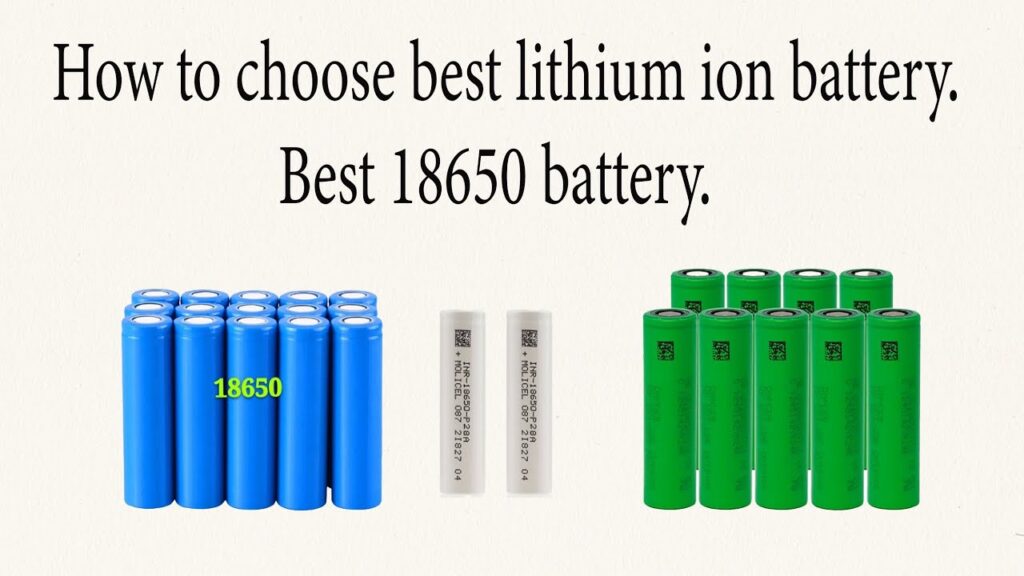
Why the 18650 Battery Reigns Supreme
First, what makes the 18650 battery so ubiquitous?
There are a few key reasons:
- High energy density – 18650s pack a lot of power into a compact cylindrical cell. This striking combination of performance and portability has made 18650 the preferred battery type for countless devices.
- Standard dimensions – Having a standardized size of 18mm x 65mm means 18650s can be used across various products, equipment, and industries.
- Rechargeability – The vast majority of 18650 cells use lithium-ion technology which means they can be charged and discharged hundreds of times. Far more cycle-friendly than single-use cells!
Since they hit the scene back in the 90’s, 18650 batteries have only grown more advanced and capable. Modern cells provide the ideal power source for everything from DIY projects to leading-edge tech.
Now let’s explore how to select the right one for your specific needs…
How to Choose the Right 18650 Battery
Step 1: Understand Key Specs and Metrics
I know batteries can sound technical but it’s easier than you think! Here are the core specifications to look for when comparing 18650 cells:
Capacity
The capacity indicates how much total power the 18650 battery can deliver. It’s measured in milliamp hours (mAh).
- Higher mAh = longer runtimes before needing a recharge
- Typical capacities range from 1500mAh to 3600mAh currently
Choose a higher capacity 18650 if runtime is your priority. Just keep in mind capacity is often balanced against other performance factors. More details in a moment.
Voltage
18650 cells have a nominal voltage around 3.6V to 3.7V. This won’t vary too drastically but it’s good to confirm compatibility with your device.
Discharge Rating
There are two key ratings that indicate how much current can be safely drawn from the battery:
- Continuous Discharge Rate – The maximum current (in amps) that can be discharged continuously without damage. Look for batteries that meet or exceed your device’s needs.
- Pulse Discharge Rate – The short-term surge current a battery can handle in pulses. Only relevant for devices with fluctuating high-drain.
Whether you need sustained power or quick bursts, choosing a cell rated for higher amperage ensures solid performing, especially for power tools or vape devices. Remember, exceeding any discharge rating stresses the battery and can become hazardous.
Size and Shape
Besides the standard diameter and length that define all 18650s, there are two types to consider:
- Button Top – Small raised positive terminal. Sometimes necessary to make contact in devices.
- Flat Top – Positive terminal sits flush with enclosure. Used when electrical contacts press directly on cell.
Ensure proper physical compatibility before purchasing!
Step 2: Select a Reliable Brand
Here comes another easy win.
Simply stick to industry-leading manufacturers like:
- LG
- Samsung
- Sanyo/Panasonic
- Sony
Lesser brands may overinflate their specs which can be risky business. Top manufacturers subject cells to rigorous testing to ensure ratings and safety standards are upheld.
These authentic cells offer the performance you expect with a reputation you can count on. Easy as that!
Step 3: Match With Your Required Use
This is where you get to cherry pick the ideal 18650 battery for YOUR application.
To make it super straightforward, here are application-specific recommendations:
Vaping Devices
For mods, vaporizers, and e-cigs you need maximum continuous output. Choose an 18650 with:
- At least 15A continuous discharge
- Capacity between 2500mAh to 3000mAh
The Epoch 18650 3000P is currently the top performing vape battery thanks to its 3000mAh capacity and 20A discharge rating.
High-Drain Electronics
Power tools, electric vehicles, and other motor-driven devices demand high current often in short bursts. Look for:
- 20A+ continuous discharge
- Capacity no less than 2000mAh
The LG HG6 strikes an ideal balance with 20A discharge and 3000mAh.
General and Low Drain Use
For most consumer gadgets, flashlights, or hobby electronics, security cameras I recommend 18650s like:
- Capacity 3000mAh+
- 8A to 12A continuous rating
The Panasonic NCR18650B reigns supreme here, boasting a whopping 3350mAh capacity!
There are countless other examples but you get the idea. Identify the cell features that align with your device’s demands and you’ll be set!
Future-Proof With the Right 18650 Charger
A quick pro recommendation: Invest in a quality 18650 battery charger!
Rather than constantly charging via USB which can degrade batteries over time, use a dedicated smart charger. It prolongs cell lifespan by stopping automatically when fully charged. Look for:
- Overcharge protection
- Independent charging bays
- Clear user status displays
The Xtar VC8 charger is reasonably priced while packing premium safety mechanisms and an informative digital screen. Worth the $35 in my book!
Well, there you have it, a complete guide to picking out the perfect 18650 battery! I encourage you to use this advice to find a cell that pushes your projects, devices and ambitions towards infinite possibilities. Because that’s what these modern battery marvels are all about.
What cases are you charging up with 18650s these days? Let me know in the comments any sweet applications I’m missing out on. And if you need any other battery recommendations, I’ve got you covered there too.
Alright, talk soon and vape on!