








Both lithium batteries and nickel metal hydride batteries have their strengths and weaknesses for different applications. As a professional lithium battery packs manufacturer, I am writing this comprehensive guide to examine the key factors to help assess whether a lithium or NiMH battery is a better choice for your project.
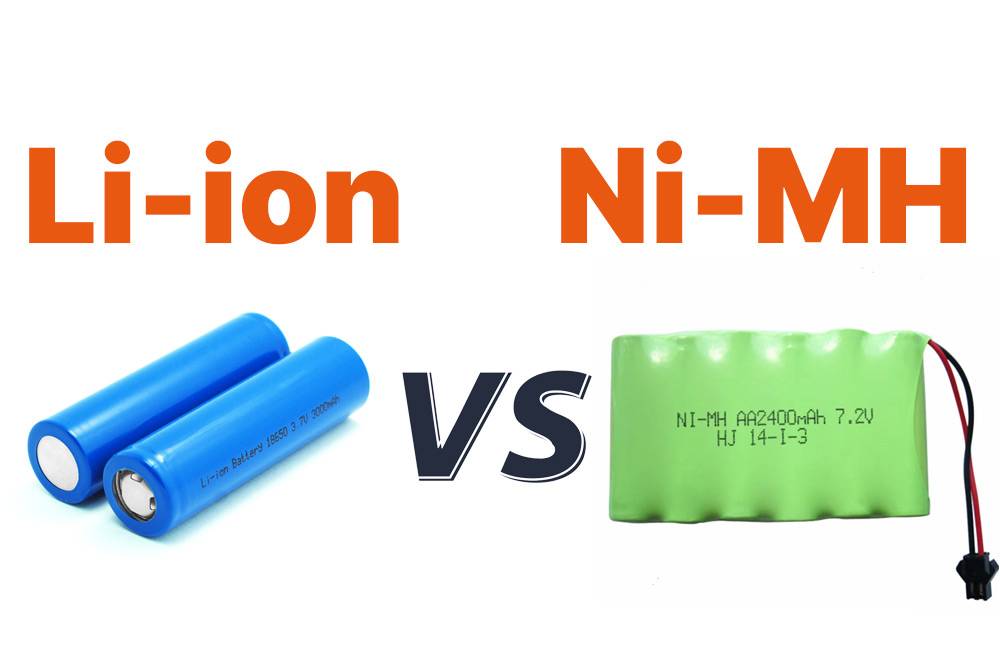
Key Takeaways
- Lithium batteries offer higher energy density and longer cycle life for most modern devices;
- NiMH can be cheaper and safer in some consumer uses.
- Choose LiFePO4 for long-life storage systems; choose NiMH for legacy AA/AAA replacements.
How Batteries Work: A Quick Refresher
Before we dive into the lithium vs NiMH debate, let’s quickly cover some battery basics that factor into this discussion.
Key Battery Terminology
Voltage determines the power output and influences the device compatibility. Energy density refers to how much power a battery can store per unit volume. Specific energy measures stored energy per unit weight.
Cycle life tells you the expected recharge cycles before significant capacity loss. Self-discharge rate indicates how quickly a battery loses charge when idle.
Power density shows instant power capability. Charge/discharge efficiency measures energy loss during charge and discharge.
Capacity, usually expressed in milliamp-hours (mAh) shows total electrical charge storage.
With those basics covered, let’s analyze how lithium and NiMH batteries stack up across some key benchmarks.
Comparing Lithium Battery vs NiMH Battery
Voltage Rating
Lithium battery cells have around 3.6 to 3.7V nominal voltage compared to just 1.2V for NiMH cells. Higher voltage allows lower current for a given power, enabling thinner cables and smaller components.
Energy Density
Energy density indicates how much energy a battery can store per unit volume. Lithium batteries can store over twice as much capacity in the same space as NiMH. This gives lithium batteries a substantial edge for applications where small size and weight are critical.
Specific Energy
In addition to higher energy density, lithium batteries deliver much greater specific energy. This refers to how much energy capacity there is per unit weight. Lithium cells can store around three times as much capacity for a given battery weight.
Power Density
Power density measures how much power a battery can deliver per unit volume, indicating how well it can handle temporary high-load demands. Lithium batteries excel here too with around five times the power density.
Cycle Life
Cycle life refers to the number of charge/discharge cycles before significant capacity deterioration. Lithium batteries generally last around 500-1000 cycles. Quality NiMH cells typically offer 300-500 cycles. However, for cost-sensitive or lower energy applications NiMH cycle life may suffice.
Self-Discharge Rate
All batteries slowly lose charge when inactive. This self-discharge rate is considerably lower in lithium batteries, at around 5% per month versus 15-30% per month with NiMH technology. Faster self-discharge demands more frequent charging or replacement for NiMH when equipment sits unused.
Charge and Discharge Efficiency
During charging and discharging some energy gets lost, usually in the form of heat. This affects overall energy efficiency. Discharge efficiency runs around 95-98% for lithium-ion versus 70-90% figures for NiMH chemistry.
Cost Comparison
The higher material and manufacturing expenses of lithium battery cells make them cost more per capacity than NiMH alternatives today. However, their superior lifespan and energy density can lead to lower lifetime costs for many applications.
Environmental Factors
Proper lithium battery recycling recovers substantial raw materials for reuse. This makes lithium cells relatively eco-friendly long-term. NiMH cells also utilize recyclable materials, but have more limited recycling infrastructure currently in place globally.
Safety Considerations
The flammable electrolytes required in lithium batteries means they should include protective circuitry. Thermal runaway issues are rare but improper charging/discharging or physical damage does pose some safety risks. NiMH technology is generally safer as it incorporates more intrinsically stable materials.
Key Application Considerations
With those key lithium vs NiMH battery attributes covered, let’s look at some practical real-world factors to weigh for your project.
Weight and Size Restrictions
The superior energy density of lithium batteries makes them well suited when minimum battery weight and volume are critical priorities. Their higher voltage also enables smaller associated electronics and cabling.
Power Requirements
When your application needs the battery to reliably handle temporary spikes in power demand, the higher load capacity lithium battery is usually the best option. Their lower equivalent series resistance enables meeting pulsed current loads.
Environmental Protection Needs
If your project has potential exposure to temperature extremes, water, dust or other hazards, ruggedized lithium batteries offer resilience while NiMH alternatives remain the safer intrinsic choice overall today.
Recharge Cycles and Frequency
For very frequent recharging applications lithium makes sense thanks to its longer cycle count ratings and lower self-discharge levels. Yet quality NiMH cells work for lower cycle budget projects.
Cost Capacity Considerations
If there are tight cost constraints lithium batteries may prove prohibitive, making NiMH chemistry a more viable option if total energy capacity requirements are relatively low. Prioritizing lowest upfront expenses favors NiMH in simpler applications not pushing the limits of battery performance.
Recycling and Disposal Plans
Properly recycling lithium cells captures substantial raw materials for reuse while recycling processes for NiMH cells are currently less standardized globally. Both technologies ultimately utilize primarily recyclable materials in modern eco-conscious battery recycling programs.
FAQs
Is lithium better than NiMH?
For energy density and many modern applications, yes—lithium offers higher energy per weight. NiMH remains useful for certain legacy and low-cost AA/AAA uses.
Which battery is safer?
NiMH is generally more tolerant to abuse; however, LiFePO4 among lithium chemistries is considered very safe.
Can NiMH be used in place of lithium?
Only in certain form factors (e.g., AA/AAA) and lower-energy applications; device voltage and charging system must be compatible.
Which is better for solar storage?
LiFePO4 is typically preferred for solar/storage due to long cycle life and thermal stability.
Summary: Lithium Battery vs NiMH Battery
In summary, while NiMH remains a good value option for simpler, lower capacity needs, lithium technology delivers substantial performance advantages making it the go-to solution when size, weight and overall capability are driving considerations for battery-powered devices and systems.
Hopefully this overview of key differences between lithium and NiMH battery properties helps provide some guidance as you evaluate options for your next project. Reach out with any questions!