








If your car has trouble starting or stalls frequently, the issue may lie with a dead or dying battery. But how can you know for sure?
In this comprehensive guide, as a professional lithium battery packs manufacturer, I will share 10 telltale signs that indicate your car battery is on its last legs.
Armed with this knowledge, you can identify problems early and avoid the hassle of being stranded with a dead battery.
Let’s dive in.
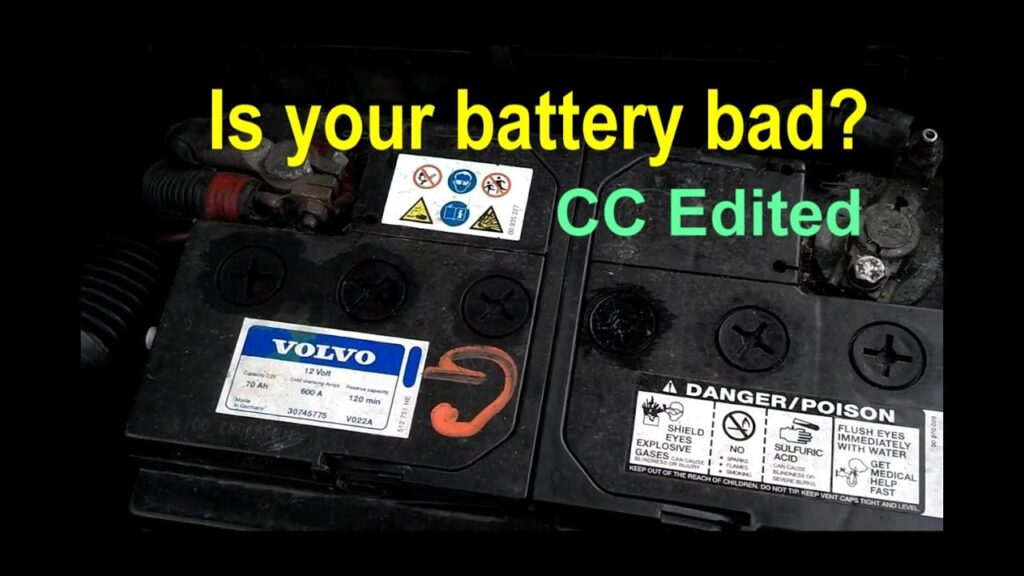
How to Tell If Your Car Battery Is Dead?
Slow or Difficult Starts
Let’s start with the obvious.
One of the clearest signs of a weak battery is sluggish or difficult starts. Specifically, if your engine cranks slowly or struggles more than usual when starting, pay attention.
While a slow start could also indicate issues with the starter motor, it often points to a battery lacking sufficient charge to spin the engine fast enough.
Over time, as battery capacity diminishes, you’ll notice progressively slower cranking each morning. Eventually, the vehicle won’t have enough juice to start at all.
So don’t ignore a slow-cranking battery, even if it still gets the car running. Have the charging system inspected sooner than later.
Dimming or Flickering Headlights
Here’s another telltale battery failure sign: headlights and interior lights glowing less brightly than normal.
The battery supplies power to all the vehicle’s electronics, including lights and dashboard components. So troubles illuminating the road ahead or dashboard displays correctly usually stem from poor battery voltage.
Additionally, flickering or pulsating headlights point to potential charging system faults. When engine RPMs rise, voltage control issues cause rapid brightening and dimming.
Bottom line? Dodgy illumination almost always links back to electrical troubles, including a worn out battery not up to the job.
Electrical Gremlins
Speaking of electrical troubles, a marginal battery frequently manifests through electrical glitches and gremlins long before leaving you stranded.
For example, consider voltage-sensitive electronics like power windows, door locks, radios, and video screens. If these behave erratically, cutting out intermittently or operating unusually slowly, the culprit could lie with a battery not maintaining adequate voltage.
The same goes for unexpected warning lights or wildly fluctuating voltmeter readings. Any finicky electrical components could stem from a weak battery struggling to power vehicle systems correctly.
So don’t ignore seemingly innocuous electrical troubles. They often constitute baby steps down the path to dead battery agony.
Battery Corrosion Issues
Let’s move our diagnostic focus to the battery itself.
See any corrosion or a white, chalky discharge around the positive or negative terminals? That’s bad news that translates to poor electrical connections and accelerated wear.
While corrosion occurs naturally as batteries slowly discharge explosive gases, excessive build-up accelerates electrical resistance. That forces an already taxed battery to work harder to provide sufficient power.
Inspect battery terminals and leads regularly for corrosion or damage. Clean any contamination immediately, and replace deteriorated components proactively. Doing so buys extra battery lifespan.
A Bulging or Deformed Battery Case
Modern lead-acid batteries consist of a plastic casing enclosing layered lead plates immersed in electrolytes. This tight enclosure leaves no room for expansion.
So when battery cases appear swollen or bloated, instead of perfectly rectangular, the most likely explanation involves gassing and charge issues.
Sulphuric acid electrolytes break down during charging into hydrogen and oxygen gases. Excessive outgassing due to overcharging literally deforms battery cases.
Bulging also ties back to electrical shorts, heat damage or physical trauma from road hazards or automotive repair accidents — all causing charge and capacity issues.
Either way, once a battery case bloats, you need prompt replacement. The capacity damage often proves irreversible.
A Visibly Old or Dirty Battery
Picture this:
Your automotive battery sports a thick layer of acidic grime and dirt. The brand label bears the indelible imprint of time. You spot date codes indicating the battery was produced during the Bush administration.
Perhaps you don’t keep close tabs on the battery installation date. Fair enough.
But seeing abundant dirt, heavy corrosion or obvious signs of age serves as solid indicators of dead battery risk. Modern quality batteries normally last about 3-5 years.
If your battery predates the Trump administration with years of seasonal under-hood heat and vibration exposure, plan for proactive replacement ASAP. Don’t get caught off guard.
Frequent Jump Starts
Does your battery need frequent jump starts before firing the engine over? If so, that likely constitutes a dire omen of impending dead battery disaster.
Needing occasional assistance during peak cold weather makes sense. All batteries lose cranking power when thermometers plummet.
But summer jump start SOS calls, especially following uneventional overnight stays instead of extended down time, highlight a struggling battery not sufficiently recharging.
Each jump start session stresses the battery further. The responsible path involves promptly testing the charging system and component condition before getting stranded.
Battery or Charging System Warning Lights
Check your dashboard. Do you see either the classic battery symbol warning light illuminated? Or the ominous “check charging system” notification?
Warning lights exist for a reason. Heed their guidance.
Battery dashboard lamps indicate voltage falling below proper parameters, often caused by a weak cell not properly maintaining a charge.
Charging system distress calls through the check engine light point to malfunctions in the intricate electrical dance between your battery and alternator.
Either lamp warrants making battery health and charging system assessments next priorities before suffering vehicle start failures at the worst possible moment.
Significantly Reduced Vehicle Range When Running Accessories
Does operating power accessories like wipers, defrosters or headlights for short periods noticeably decrease driving distance range?
Today’s vehicles house extensive electronics with substantial power demands. So experiencing a major range hit from briefly activating wipers or HVAC blowers likely indicates an ailing battery falling short of delivering sufficient current.
Voltage drains also excessively stress starters and charging systems. So cut your losses fast through battery testing and replacement instead of riding out failure through workarounds.
Final Thoughts
Identifying symptoms of a dying battery empowers smart, cost-conscious decisions. Heed warning signs like corrosion build up, bloated cases or charging system faults early. Address them promptly through testing and replacement if needed.
Prioritize battery health now for reliable engine starts when you need them most down the road. Consider signing up for professional battery testing and replacement services as part of routine maintenance.
The modest early investment beats huge tow truck fees or missing critical appointments any day. Just something to think about as you check your battery next time near your vehicle.