








Lithium-ion 18650 batteries have become extremely popular. However, as demand grows, so does the market for counterfeit batteries. Fake 18650 batteries are everywhere, from online marketplaces to local shops.
Spotting knock-offs is critical. Fake cells often exaggerate capacities, lack safety mechanisms, and can be dangerous. As a professional 18650 battery pack manufacturer, I wrote this article to reveal proven techniques to identify fraudulent 18650s.
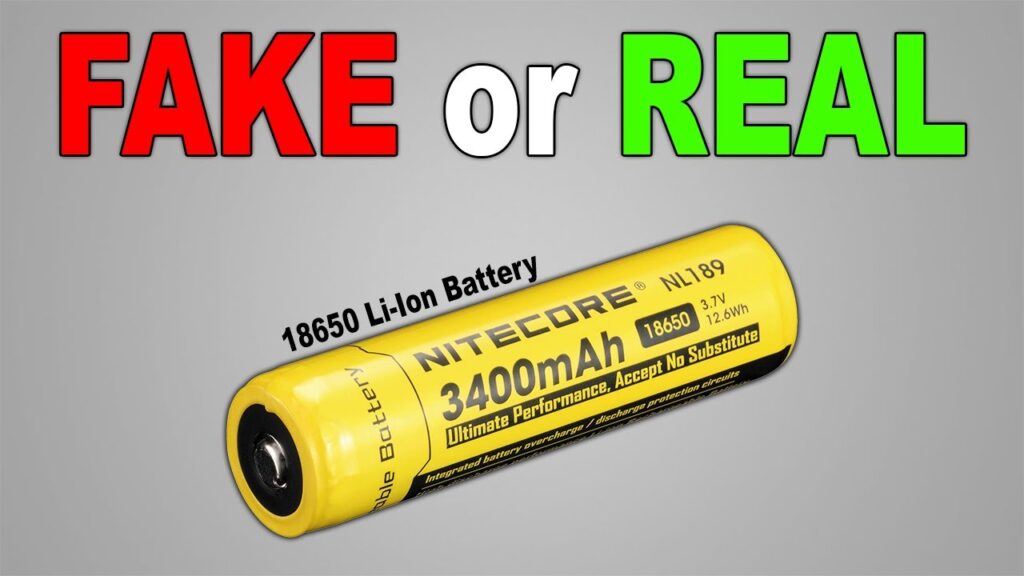
Why Spotting Fake 18650 Batteries Matters
Genuine 18650 cells from top brands like Samsung, Sony, and LG undergo rigorous testing and quality control. However, counterfeits take shortcuts to reduce costs.
Common issues with fake 18650 batteries:
- Overstated capacities – Fake cells exaggerate mAh ratings. An authentic 21700 battery tops out around 5000mAh. Fraudulent labels can claim up to 9999mAh.
- Missing protections – Genuine cells have protection circuits to prevent issues like overcharging. Many knock-offs lack these safety measures.
- Poor quality materials – Counterfeits cut costs by using lower-grade cathode and anode materials. This increases internal resistance and reduces cycle counts.
- Risk of damage – Defective cells can leak, overheat, or short circuit. Using them in high-drain devices multiplies this risk.
Bottom line – fake batteries diminish performance and jeopardize safety. Identifying counterfeits protects devices and prevents accidents.
4 Ways to Spot Fake 18650 Batteries
Recognizing fraudulent 18650 batteries takes some insider knowledge. Here are four techniques to effectively identify fake cells:
1. Inspect Weight and Dimensions
Genuine 18650 cells adhere to strict size and weight standards. For example, a Samsung 25R measures:
- 18.33mm x 64.85mm (+/- 0.15mm)
- 45 grams (max weight)
Heavier cells likely have higher mAh ratings and material quality.
Fakes are often lighter since they contain smaller recycled batteries stuffed inside 18650-sized heat shrink sleeves. Check datasheets from manufacturers like Sony and LG for exact specifications.
Weigh your cell on a precision digital scale: Weight can help spot fake 18650 batteries, if the weight deviates greatly from the official value, you may have a counterfeit.
2. Analyze Wrappers and Top Caps
Counterfeiters struggle replicating the wrappers and end caps used in authentic cells.
Wrappers
Compare your wrapper to real batteries:
- Color consistency – Fake wrappers often look “off”
- Text crispness – Knock-offs may have fuzzy, misaligned prints
- Materials – Genuine wraps feel soft and supple
Top Caps
Every brand uses unique top cap designs: Distinct top caps help spot fake 18650 cells, if your top doesn’t match official photos, it is likely counterfeit.
3. Verify Internal Codes and Markings
Authentic cells contain production codes for tracking and quality control.
For Samsung 25Rs, this includes:
- First line – Cell chemistry and specifications
- Second line – Manufacturer details
- Third line – Four digit production date code
Run the code through an 18650 decoder to validate it against the labelled specs.
If the decoded values deviate from the specifications on the wrap, it points to a counterfeit. Bogus date codes are another red flag.
Cross-check against legit Sony, LG and Samsung 18650 decoding databases to catch fakes.
4. Inspect Condition and Signs of Wear
Genuine new cells have pristine wrappers and top caps. Heavy scratching, dents, rust spots or burn marks indicate a recycled cell.
Heavily worn cells are likely fake or recycled, while authentic used cells do show some wear, it takes considerable abuse to damage a Li-ion battery.
My advice? Recycle badly damaged cells instead of trying to reuse them.
How to Avoid Buying Fake 18650 Batteries
Finding authentic cells boils down to trusting your source:
- Buy from official distributors – Sony, LG, Samsung etc. list authorized resellers.
- Check reviews – Scam sites hide feedback. Trusted retailers have transparent reviews.
- Learn common capacities – 5000mAh for a 21700 cell is the current max. Higher claims are bogus.
- Avoid deals that seem too good – Quality Li-ion batteries cost money to manufacture. Super cheap cells raise red flags.
Also consider investing in an intelligent battery charger-tester like the XTAR Dragon VP4 Plus.
Advanced analyzers confirm advertised ratings by running discharge cycles under varying loads. They also check for damage and explain cell health metrics.
While the VP4 Plus costs around $60, it pays for itself by preventing you from buying – or worse, using – fake batteries.
The Bottom Line
Fraudulent 18650 battery cells offer subpar performance and jeopardize user safety. Thankfully, armed with the right techniques, keeping your devices powered by authentic batteries is straightforward.
By leveraging weight benchmarks, examining wrappers, validating codes, and inspecting wear, spotting knock-offs becomes simple. And choosing trusted retailers like Sony and LG helps avoid fakes in the first place.
Take these steps and you can confidently use 18650 cells without sacrificing safety or device lifespan.