








18650 batteries are a popular type of rechargeable lithium-ion battery used in vaping devices, flashlights, and other electronic gadgets. However, the wrap (or sleeve) around the battery can become damaged over time, exposing the battery and creating a potential safety hazard. Fortunately, rewrapping an 18650 battery is an easy and inexpensive process.
In this post, as a professional 18650 battery pack manufacturer, I will show you how to rewrap 18650 batteries step-by-step.
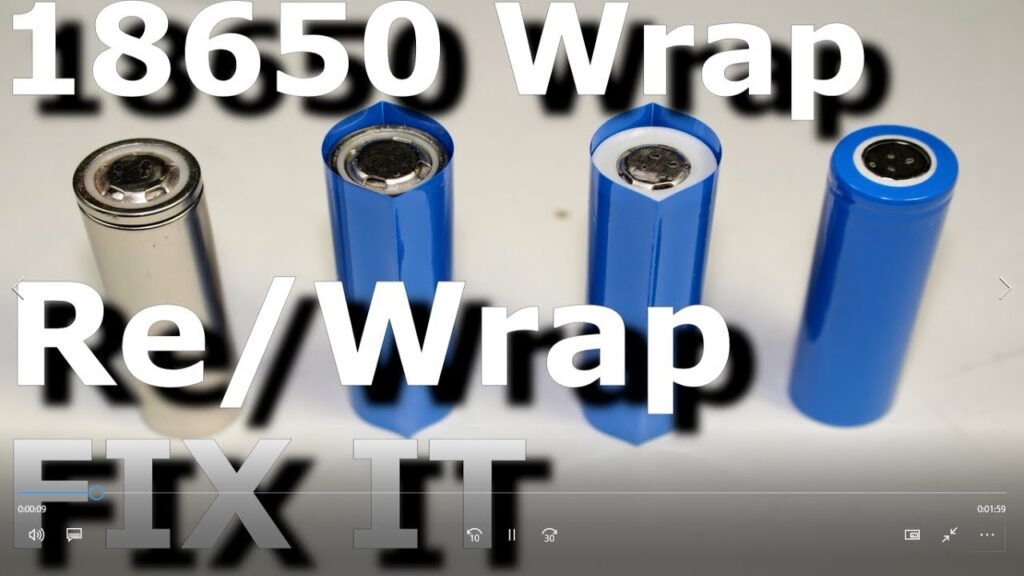
Why Rewrap Your 18650 Batteries
The plastic wrap around an 18650 battery serves a critical safety purpose. It insulates the metal casing of the battery, which is negatively charged. If the battery casing comes in contact with metal objects, it could short circuit the battery. This could potentially lead to overheating, fire, or even an explosion.
So if your 18650 battery wrap becomes damaged, with tears, holes, or peeling edges, it’s vital to rewrap the battery. Some of the common causes of battery wrap damage include:
- Accidentally ripping the wrap when removing a battery from a device or battery holder
- Variations in battery dimensions that lead to extra stress on the wrap in tight spaces
- External factors like keys or coins rubbing against the battery when carried in a pocket or bag
Only use and charge 18650 batteries with an intact insulating sleeve! A damaged wrap compromises safety.
How to Rewrap 18650 Batteries: Step-by-Step Guide
Rewrapping an 18650 battery is a straightforward process when you have the right materials on hand. I’ll walk you through it below:
Gather Your Materials
You’ll need the following items:
- 18650 battery (charged 20-50% is ideal)
- 18650 battery wrap (PVC or heat shrink)
- Heat gun or hair dryer
- Scissors
- Tweezers (non-metallic)
The battery wrap should have an inner diameter just slightly larger than an 18650 battery, usually around 18.5mm. I recommend transparent wraps so you can verify insulator position.
Carefully Remove the Old Wrap
Use tweezers with care to peel away the old, damaged wrap. Try to keep the wrapping in one piece as best as possible.
Work slowly and avoid sharp tools that could scratch or puncture the battery casing itself. Scratches can further compromise safety.
You may need to use tweezers and your fingernails to remove small pieces of adhesive residue after peeling the wrap off.
Inspect Battery and Insulator
Visually inspect the battery after removing the wrap. Check for dents, bulges, cracks, or other damage on the casing. Even small defects can further compromise safety. I recommend recycling a damaged 18650 battery instead of rewrapping.
There should be a thin ring of insulating material around the positive terminal. This ring prevents short circuits between the positive end and the negative casing. If this insulator ring is missing or damaged, replace it with a new one before rewrapping.
Position New Wrap on Battery
Slide your new battery wrap onto the 18650 cell, aligning the positive terminal in the center of the battery’s open end. Allow 3-5mm of overhang on both ends of the battery.
Apply Heat to Shrink Wrap
Use a heat gun or hair dryer set on a medium-hot setting to gently apply heat to the battery wrap. Slowly sweep across the battery to evenly shrink the new wrap snugly around the casing.
Work patiently to avoid overheating any single area or melting the wrap. The wrap should conform smoothly to the battery contours when properly shrunk.
Allow the battery to cool fully before further handling. Never apply heat to an 18650 battery while it’s installed in a device.
Check Results and Reuse
Visually inspect your rewrapped 18650 battery. The new insulating sleeve should be wrinkle-free and uniformly shrunk around the battery. No casing surface should be visible.
There should be no gaps between the top insulator ring and the start of the wrap. This helps prevent short circuits near the positive terminal.
If the wrap job looks good, your battery is ready to be safely reused!
Tips for Safe Battery Use
Here are some additional tips for safe handling and charging of 18650 batteries:
- Don’t exceed the continuous recommended discharge rate for an 18650 battery, which is typically 15-20 amps. Higher discharge rates overheat cells.
- Charge batteries using a smart charger suitable for lithium-ion batteries. Simple chargers can overcharge cells, leading to damage.
- Store batteries individually in cases to prevent contact between positive and negative terminals.
- Dispose of damaged batteries properly by recycling, not tossing them in the garbage which can lead to fires. Many stores recycle lithium-ion batteries.
- Rewrap batteries whenever necessary. Exposed metal casing compromises safety.
By carefully rewrapping 18650 cells as needed, you can continue enjoying extended life from these popular batteries! Just be sure to handle them with care and follow basic safety precautions.