








Lithium-ion 18650 batteries are commonly used in flashlights, vapes, power tools, and other devices. However, determining the real capacity of an 18650 battery can be tricky. Batteries often have inflated capacity ratings or may lose capacity over time and usage. So how do you get an accurate measurement?
In this comprehensive guide, as a professional 18650 battery pack manufacturer, I’ll walk through several methods to precisely test the capacity of 18650 lithium-ion batteries.

Why Measuring 18650 Battery Capacity Matters
Getting an accurate read on 18650 capacity serves a few important purposes:
- Verify manufacturer ratings – Some ultra-cheap cells exaggerate capacity. Measuring reveals the real usable capacity.
- Compare old vs. new batteries – Testing shows if used 18650 cells have lost capacity from aging and use.
- Calculate runtimes – Knowing true capacity helps properly size packs and estimate runtimes for your device.
- Identify bad cells – Abnormally low capacity can indicate faults or damage in a cell.
While flooded lead-acid batteries are relatively easy to capacity test, determining capacity of 18650 lithium-ion cells requires a bit more precision. However, with a few basic tools, you can get highly accurate measurements at home.
How to Measure Capacity of 18650 Battery
Using an 18650 Battery Capacity Analyzer
The easiest way to measure the capacity of an 18650 lithium-ion cell is with a dedicated battery capacity analyzer. These specialty devices are designed specifically for charging, discharging, and testing common lithium-ion battery sizes like 18650.
A capacity analyzer like the XTAR VC4S can directly read out 18650 capacity in mAh:
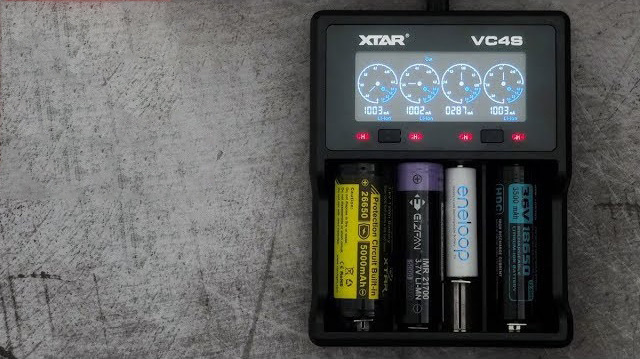
Battery analyzers work by fully charging a cell, discharging it at a controlled load current, then logging total capacity. Most test down to 2.5-3.0V cut-off voltages, as is safe practice for lithium-ion chemistries.
Many analyzers even perform multiple charge/discharge cycles to average out small testing variances. Advanced commercial analyzers offer very high accuracy. However, they are rather expensive equipment.
Luckily, economical but decent desktop analyzers like the $40 XTAR VC4S are available too. While not lab-grade, they still provide reasonably good 18650 capacity measurements for most hobbyist usage.
I suggest capacity analyzers if you need to routinely test the capacity of lithium-ion cells. The convenience and speed makes them worth the cost over manual methods.
Manually Measuring Capacity with a Load
The classic way to capacity test batteries is manually via discharge method. This simply involves fully charging a cell, discharging it through a load, and recording overall capacity. With a couple pieces of equipment, you can easily perform this test on 18650 cells at home.
What You Need
- Adjustable load (power resistor)
- Voltmeter
- Stopwatch
- Charger
- 18650 battery holder
The key item is the adjustable load, which applies a controlled discharge on the battery. Power resistors are commonly used, allowing adjustment via a rheostat or PWM control. I suggest a 10-50 ohm power resistor, which gives a good discharge current range for 18650 cells.
You’ll also need a decent voltmeter to monitor cell voltage during discharge. A simple stopwatch tracks test duration to calculate capacity. And of course a 18650 battery holder securely holds the cell during testing.
Manually Testing Capacity Step-By-Step
Follow this procedure to manually determine 18650 capacity:
- Fully charge cell to 4.2V
- Install cell in holder, attach leads
- Adjust load for 1A discharge current
- Start timer when discharge begins
- Stop test when cell voltage reaches 3.0V
- Note discharge duration from timer
- Calculate: Capacity(mAh) = Discharge Current(A) x Duration(hours)
Be sure to record test duration precisely, as the discharge current and time directly calculate total capacity. Perform tests at room temperature, as heat can influence results.
Also note that for reliable results, you should repeat test 2-3 times on a given cell and average the measured capacities. Consistent readings indicate an accurate test.
Manually testing with an adjustable load gives reliable real-world capacity measurements. The downside is lack of automation and longer test durations. But it’s an inexpensive way to get good capacity readings with basic equipment.
Using a Battery Charger/Analyzer
Certain advanced battery chargers also have analysis functions for lithium-ion cells. These often include charge/discharge capacity testing among other analyzer features.
Charger/analyzers like the SkyRC MC3000 offer configurable discharge testing of li-ion batteries:
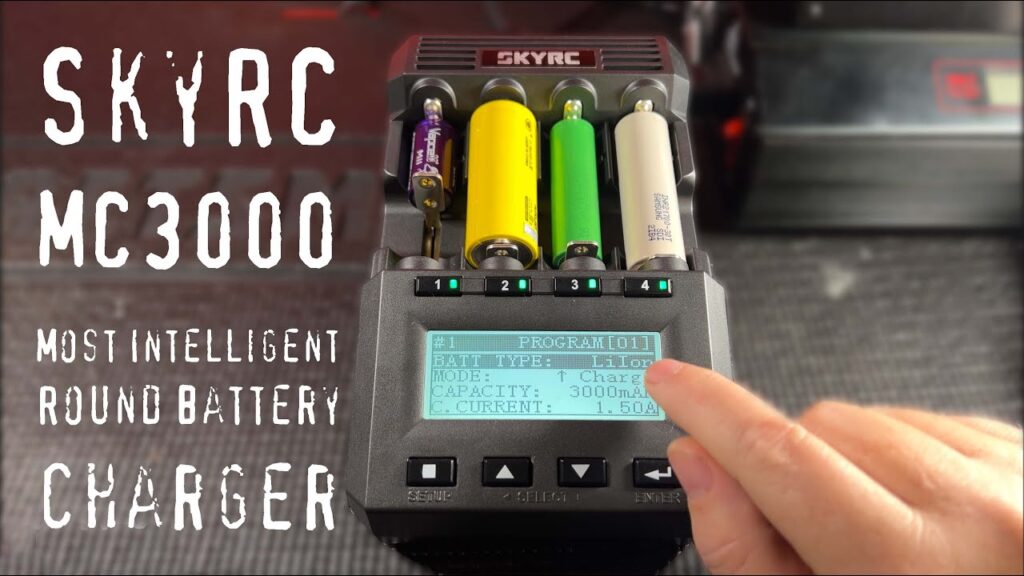
To capacity test, you manually initiate a discharge cycle with set load current and cutoff voltage. The equipment handles automatically discharging and graphing the results. Total capacity is conveniently logged at the end of the test.
This method provides automated hands-off testing compared to manual discharges. Discharge currents and final cutoff voltages are also highly configurable. Battery charger/analyzers thus offer very flexible capacity testing.
The main limitations are that tests only occur at one set discharge rate. And most amateur equipment isn’t extremely precision laboratory-grade. But for general capacity analysis, many find charger/analyzer functions sufficient.
Comparing Against Manufacturer Ratings
Once you’ve tested an 18650 cell, compare the measured capacity to manufacturer specifications. This verifies if real-world capacity matches rated performance.
Beware of inflated ratings from some ultra-budget battery brands. It’s not uncommon to get just 50-70% of claimed capacity. Quality cells will test closer to their ratings.
Also consider acceptable tolerances – a 10-15% difference is often reasonable. Cell-to-cell variances and testing accuracy have effects. Just watch for cells way under specifications, indicating faulty or mislabeled batteries.
Similarly, compare tested capacities between old and new cells. This gives quantifiable data on cell aging and lifespan. See if old cells are still suitable for reuse or should be retired.
Helpful Tips for Testing Accuracy
Follow these tips to help ensure consistent, accurate capacity measurements:
- Discharge at 0.2-1C rates – Between 0.2-1C is ideal for testing capacity
- Repeat tests 2-3 times – Average results to minimize variance
- Record precise duration – Capacity calc requires exact discharge time
- Control temperature – Test batteries around room temperature
- Watch self-heating – Heat lowers measured capacity
Getting the full rated capacity requires keeping discharge currents in a reasonable range for the cell. Also beware that high discharge rates create internal heating, which temporarily lowers usable capacity.
Testing multiple charge/discharge cycles and averaging results helps indicate true performance limits. And be sure to record durations to the second, as capacity equations rely on very precise times.
Following sound testing methodology allows getting reliable real-world capacity values for 18650 lithium-ion batteries. Compare your measured capacities versus manufacturer specifications to see if batteries meet their ratings.
Summary
Figuring battery capacities enables properly sizing packs, calculating runtimes, and identifying bad cells. While 18650 lithium-ion cells can’t be capacity tested as easily as lead-acids, with the right equipment and methodologies, getting great measurements at home is totally possible.
Purpose-designed 18650 capacity analyzers provide a fast and efficient testing solution. Discharge testing with an adjustable load also works well for manual testing on a budget. And some advanced chargers now integrate analyzer functionality to roundup testing options.
Hopefully this guide gives you solid options to accurately measure real-world lithium-ion 18650 battery capacity in your lab or workshop. Please let me know if you have any other challenges determining battery performance metrics!