








Lithium-ion batteries power most of our modern tech, from phones and laptops to electric vehicles. But what happens when these high-tech batteries meet water? Can lithium-ion batteries withstand water exposure or will any moiasture cause catastrophic failure? As a professional lithium ion battery supplier, I decided to dig into the lithium-ion chemistry and explore exactly what water does to these cells (and batteries).
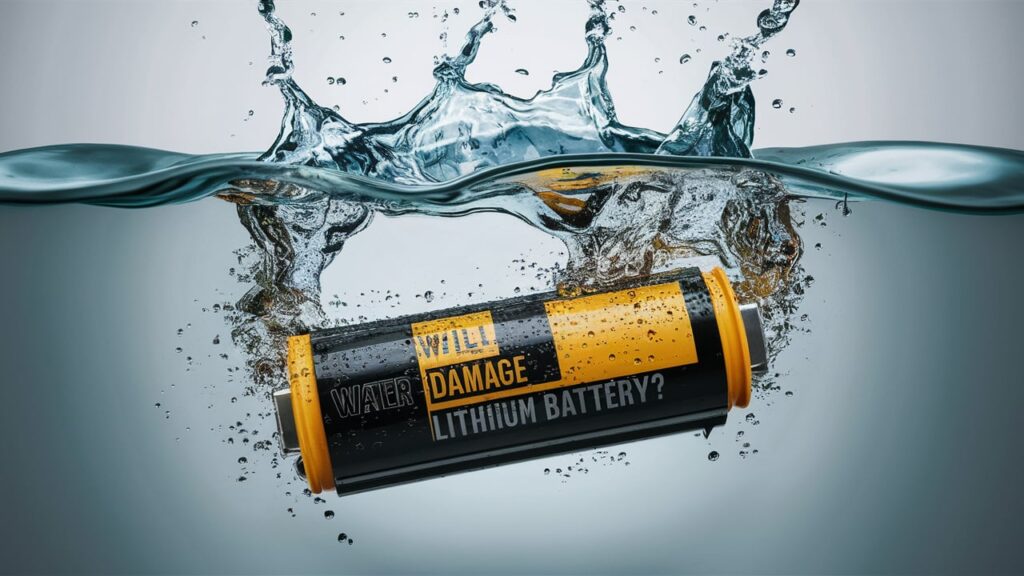
Will Water Damage Lithium Ion Battery?
Yes, water can significantly damage a lithium-ion battery, causing potential issues like reduced performance, short circuits, overheating, and even fire or explosion if submerged or exposed to significant moisture. Therefore, it is crucial to keep lithium-ion batteries dry and avoid exposing them to water.
How Lithium Ion Batteries Work
To understand the impact of water on lithium-ion batteries, we first need to understand what makes up these cells. Lithium-ion batteries have four key components:
The Cathode
The cathode supplies positive lithium ions to the electrolyte during discharge. Cathode materials in lithium-ion batteries include lithium cobalt oxide (LiCoO2), lithium manganese oxide (LiMn2O4), and lithium iron phosphate (LiFePO4).
The Anode
The anode is typically made of graphite in lithium-ion cells. It acts as a lithium host, absorbing the positive lithium ions released by the cathode. This creates an electrical potential that powers devices.
The Electrolyte
The electrolyte is a lithium salt like LiPF6 dissolved in organic solvents such as ethylene carbonate. It facilitates lithium ion flow between electrodes, enabling battery operation.
The Separator
The separator is a porous polymer film placed between the anode and cathode. It prevents electrical contact while still allowing lithium ions to freely diffuse through the electrolyte.
So in summary, lithium-ion batteries shuttle lithium ions between a lithiated cathode and an anode through a liquid electrolyte medium. Now what happens when water enters this delicately balanced electrochemical system?
Introducing Water to Lithium Ion Batteries
As it turns out, lithium-ion batteries and water really don’t mix! Even small amounts of water exposure can start detrimental processes like:
Electrolyte Decomposition
The electrolyte solvents and lithium salts rapidly decompose upon contacting water molecules. This generates products like hydrogen gas (H2) and hydrofluoric acid (HF).
Loss of Lithium Ions
With their high solubility, lithium salts readily dissolve into water. This depletes the cell of crucial charge carriers needed to power devices.
Internal Short Circuits
If enough water accumulates inside, it can directly bridge the cathode and anode materials. This causes intense localized heating and battery failure.
Material Degradation
Cathode compounds like lithium cobalt oxide break down rapidly when interacting with water, leading to permanent capacity loss. Graphite anodes corrode severely as well.
The combined effects mean lithium batteries fail quickly with water exposure. Total failure may happen instantly with a major breach or over a period of hours/days with minor ingress.
Either way, contamination with water is catastrophic for lithium-ion cell performance and longevity.
The Effect of Salt Water vs Fresh Water
An important nuance is whether lithium batteries confront fresh water or salt water when accidents happen. Both fresh H2O and saline solutions initiate hydrolysis, dissolve lithium salts, and degrade electrodes.
However, salt water also introduces chloride anions into the equation. These chlorides readily corrode the copper and aluminum terminals found in lithium-ion batteries. Extensive corrosion eventually isolates electrodes electrically.
So along with typical moisture-induced failure mechanisms, salt water exposure also accelerates terminal and interconnect corrosion issues due to dissolved salts. This makes seawater extremely hazardous for lithium-ion batteries compared to freshwater.
Can Lithium Batteries Explode Underwater?
Lithium batteries undergoing catastrophic failure due to water contamination do not typically “explode” when fully submerged. This is because explosions require oxygen to sustain violent exothermic reactions.
However, uncontrolled lithium battery failures still pose substantial risks even when soaked. Flammable organic electrolytes, high voltages, and unregulated chemical reactions supply enough localized heat to damage adjacent cells.
Gases released during thermal runoff can also concentrate internally and eventually rupture battery casings violently underwater when heated rapidly.
So despite the apparent fire retardant properties of water, defective lithium-ion batteries can still rupture, vent hot gases, or spew flammable electrolytes when submerged.
Recharging Lithium Batteries After Water Exposure
Attempting to recharge lithium batteries after significant water exposure presents major fire and safety concerns due to internal damage. However, it may be possible to recover a few lightly sprinkled lithium-ion cells with proper handling.
DO NOT recharge wet lithium-ion batteries while still installed in vehicles or equipment. Carefully isolate affected cells first before any revival attempts. Heavily flooded batteries found immersed require immediate recycling not recharging.
Lightly affected cells warrant cautious external testing provided voltages, swelling, and internal resistance haven’t changed excessively post-drying. Surviving cells need further validation before recharging might be considered under controlled conditions.
Most lithium batteries encountering moisture won’t ever sufficiently recover though. And consumer recharging tries often fail catastrophically when cells sustain unseen damage. It’s simply too risky outside specialty facilities. Instead, seek professional support to evaluate options before attempting to recharge flooded lithium-ion batteries.
Storing Lithium Batteries Outdoors
Unprotected lithium-ion cells left enduring outside environmental extremes risk accelerated aging and premature failure. Key considerations for lithium batteries stored outdoors include:
- Use Intrinsically Safe Chemistry: Select lithium battery types engineered for stability like lithium iron phosphate (LiFePO4).
- Incorporate Thermal Protection: Insulate cells against temperature extremes that hasten aging with housing materials optimized for outdoor installation.
- Prevent Moisture Ingress: Enclose lithium batteries in reliably water-resistant housings rated at minimum IP65 for dust and water protection.
- Maintain Ideal Voltages: Utilize battery management systems to keep cells safely within optimal voltage ranges during storage. Periodic cycling maintains battery health too.
While lithium batteries are intrinsically resilient, uncontrolled long-term exterior deployment exposes them to humidity, rain, snow, extreme cold, and extreme heat unless properly insulated and maintained. This avoidable stress taxes performance and longevity.
Protecting Lithium Batteries from Water
Guarding against lithium battery water damage centers first on prevention by selecting water-resistant devices and cells rated for anticipated conditions. As backups, incorporate physical barriers like hydrophobic battery sleeves and waterproof marine cases to isolate lithium packs.
During installation, seal vulnerable joints and wire ingress ports on battery compartments using professional-grade sealants, gaskets, or anti-corrosion products tailored for marine use. And perform routine maintenance checking for weathering or damaged seals needing replacement to sustain protection as equipment ages.
Finally, immediately stop using and safely isolate wet lithium gear showing symptoms of water exposure like odor, smoke, hissing, or voltage drops until fully dried and revalidated. With informed handling plus layers of aqueous defenses, lithium batteries operate reliably despite potential splash or rain encounters during normal use. Stay safe and guard connections!
Using Lithium Batteries on Boats
Lithium batteries deliver game-changing performance for boaters as drop-in replacements for tired lead-acid banks. However, their sensitivity to water warrants special handling precautions out on the water.
All lithium cells deployed in marine systems should integrate sealed and intrinsically safe battery chemistries alongside ruggedized packaging engineered to survive real-world aquatic conditions.
Because collisions, swamping, and unexpected bilge flooding happen, assume lithium batteries will confront water eventually despite best efforts. Isolate and compartmentalize packs to limit contamination spread. Extend existing automated fire systems and monitoring to cover lithium battery spaces as well.
And train crew to manually isolate and vent flooded lithium battery compartments until first responders arrive, avoiding restarts without rigorous inspections. Board properly equipped from the start!
Conclusion
As we’ve explored, lithium batteries and water create a dangerous mix prompting electrolyte decomposition, dissolving lithium salts, corroding electrodes and terminals, and short circuiting. While modern lithium cells feature extensive sealing safeguards, accidents still happen, and moisture exposure quickly ruins lithium-ion battery packs.
Proper handling and layered protective measures are essential to minimize risks. But ultimately keeping cells dry in the first place remains the best way to ensure safe, consistent lithium battery operation for years rather than days.
Will water damage lithium ion battery? Absolutely. So stay vigilant sealing vulnerable systems and stick to regular maintenance for maximum safety and performance aboard or ashore using lithium power!