








Lithium-ion 18650 batteries have become an extremely popular option for powering all kinds of devices these days.
With their cylindrical size and solid performance specs, these batteries strike the perfect balance between portability, capacity, and power output. I’ve used 18650s to make battery packs for everything from flashlights to Bluetooth speakers and even electric skateboards.
But what exactly can you use these versatile batteries for? And how do you choose the right 18650 cell for your project?
In this complete guide, as a professional 18650 battery pack manufacturer, we’ll cover all the most common and creative uses for 18650 lithium-ion batteries. We’ll also explore the different types of 18650 cells, talk safety and legal considerations, and give tips for harvesting used 18650 cells.
So if you’ve got a drawer full of salvaged laptop batteries or you’re just looking for new ways to put 18650 cells to work, read on!
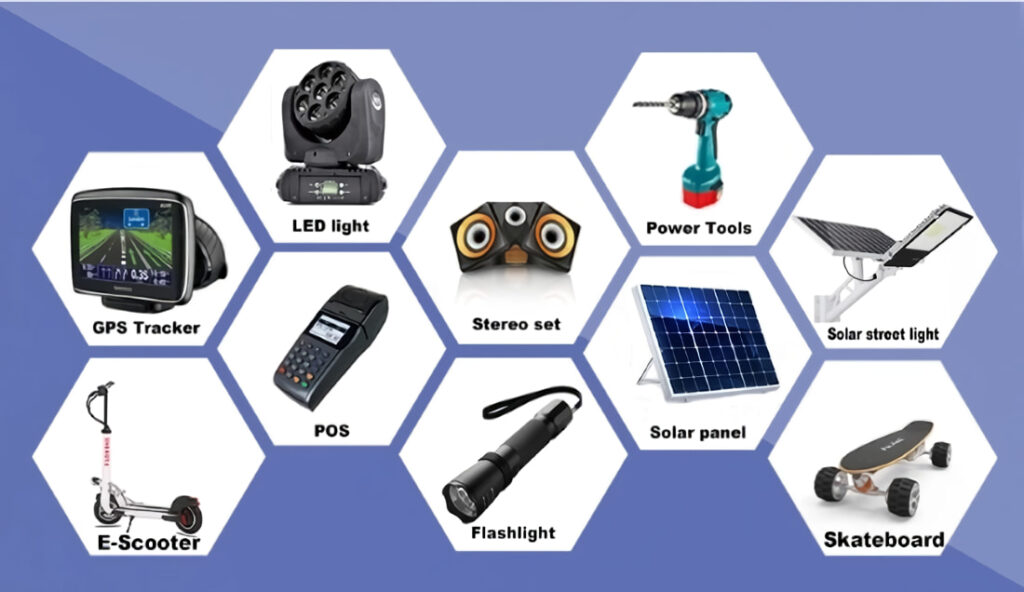
An Overview of 18650 Batteries
First, what exactly makes 18650 batteries so great? Here’s a quick rundown of their key attributes:
- Standard cylindrical size – 18mm diameter, 65mm tall. Fits many commercial battery holders.
- Rechargeable lithium-ion chemistry – High capacity and energy density. 3.7V nominal voltage.
- High discharge current ability – Can deliver over 30 amps continuously in some cells. Enables high-power devices.
- Affordable and abundant – Mass manufactured for laptops and other devices. Easy to salvage used cells.
You’ll most often see 18650 cells rated by their capacity in milliamp-hours (mAh) and maximum continuous discharge current in amps. So a cell rated at 3000mAh with a 20A discharge would be a pretty beefy battery capable of some serious work.
Now let’s get into the good stuff – what kind of devices and projects can you make with these batteries?
What Can You Do With 18650 Batteries?
Powering Flashlights and Headlamps
One of the most popular uses for 18650 batteries is in high-performance LED flashlights and headlamps. In fact, enthusiast sites like CandlePowerForums have entire subforums dedicated to these lights.
The motivation is simple – the 18650’s ability to supply loads of current enables insanely bright LED emitters. And their high capacity means runtimes of several hours, even at thousands of lumens.
Here are some of the most common flashlight form factors:
- 18650 tube lights – Simple, compact and easy to modify. Can range from affordable to high-end.
- Right-angle 18650 headlamps – Great for camping, mountaineering, and outdoor adventures where you need hands-free illumination.
- 18650 dive lights – Purpose-built to withstand depths of 300ft or more. Essential for cave exploring.
I’ve built a few Frankenlights myself by salvaging 18650 cells from old laptop batteries and pairing them with high-power LED emitters. With the right driver circuit, they can rival much more expensive commercial lights!
Building Battery Packs
One of the best things about 18650 cells is that they’re easy to connect together to create battery packs of just about any voltage and capacity.
Need a 48V battery for an eBike? Just grab 13 cells and a Battery Management System (BMS). How about a USB-friendly 12V pack for camping? Simple – 4 cells and a protection circuit will do it.
18650-based battery packs power everything from DIY electrified mountain bikes to off-grid solar generators. And that’s before we get into the exotic stuff like custom multicopters and robotics projects!
Here are some of my favorite battery builds that use 18650 cells:
- Portable power banks – USB packs for charging phones/tablets. Compact and affordable.
- Bluetooth speakers – Quality sound needs ample mAh. And volume needs plenty of voltage headroom.
- Electric longboards – Custom EV projects need lots of current and range. Plus the modular packs are easily upgradeable.
No matter your application, always use a proper BMS whenever cells are stacked in series. Unprotected lithium battery packs can be extremely dangerous if mishandled. Stay safe out there!
Reusing Laptop Batteries
Odds are if you have a stash of loose 18650 cells, they came out of a recycled laptop battery pack. That’s because the vast majority of name brand laptops use these cylindrical cells to meet their power needs (with the exception of ultra-thin models).
Inside the plastic case of a laptop battery pack you’ll find between 4 to 12 18650 cells wired together, along with protection circuitry and safety mechanisms. Once a few cells die, most people ditch the whole assembly instead of trying to rebuild it.
But battery packs contain perfectly usable 18650s if you’re willing to crack them open and do some testing to ID the good cells:
- Carefully disassemble the enclosure to extract the cells
- Use a multimeter to check cell voltage – between 3.3V and 4.1V is often still decent
- Charge good cells and double check voltage again
- Use good cells for projects or assemble into new packs!
Just be extremely careful when handling, testing, and charging loose 18650 cells. Any shorts across the terminals can lead to very high currents, fires, and explosions. Not trying to scare you, but it’s worth understanding the risks first.
LED Grow Lights
Here’s an interesting one you might not have considered – using 18650 cells to build custom LED grow light rigs.
The key reasons this can work so well:
- Wide range of bright, energy-efficient LEDs to choose from
- Easily construct any size/shape light for coverage
- Lithium-ion packs maintain brightness over time
You can salvage LED arrays from existing grow lights or purchase long flexible ribbons loaded with diodes spanning the ideal spectrum for plant growth and fruiting.
Pair that with a decent 18650 pack, appropriate driver electronics, and custom mounting hardware and you’ve got an efficient DIY alternative to expensive commercial horticulture lighting rigs.
If you’d rather not deal with the electrical complexity and safety considerations of rolling your own solution, you can also find pre-built LED grow lights designed specifically around 18650 battery packs. More plug-and-play for the botanist who prefers less soldering!
Emergency Radios
Part of any good emergency preparedness kit is a weather radio that doesn’t need the electrical grid to keep running. Crank radios work but keeping that handle spinning is nobody’s idea of fun.
That’s where a radio powered by 18650 lithium-ion batteries really shines. Just a few cells will keep even an advanced digital NOAA radio scanning for days or weeks at a time without a recharge.
And as any doomsday prepper knows, being able to monitor broadcasts and emergency bands might make a huge difference if the Stuff ever Hits The Fan (SHTF in prepper lingo!).
So whether you grab a pre-built emergency radio that holds 18650 cells or modify a standard boombox to run off a custom 18650 pack instead of disposable batteries, this is a great survival use case to file away up there in the ol’ brainpan.
Ok let’s shift gears and talk about…
How to Choose the Best 18650 Batteries?
Not all 18650 cells are created equal. You’ll want to pick the right battery for any given project based on factors like:
Battery Chemistry
- ICR – Standard capacity workhorse cells. Most salvaged laptop cells are ICR.
- IMR – Lower capacity but very high max discharge (vaping, FPV drones).
- INR – Improved Lithium chemistry. Used in some power banks and large battery packs.
- IFR – Much better thermal and overcharge tolerance for safety. Used in commercial battery packs.
Capacity Rating
- 1600-2200 mAh – Standard sizes for older laptop cells and low-drain devices.
- 3000+ mAh – Newer high-capacity cells for extended runtime. Popular for power banks and enthusiast flashlights.
Max Discharge Rating
- 5-10A – Good for moderate loads like hobby electronics and LED lighting.
- 20-30A – Preferred for high current devices like vapes, power tools and small drones.
Those are the basics – it’s easy to find 18650 cells ranging from small 1500mAh ICRs up to high-output 30A IMRButton Top cells from any major battery distributor like Nuranu Battery. Just shop carefully for genuine cells that have all markings clearly legible.
Key Takeaways
Lithium-ion 18650 batteries have exploded in popularity over the last decade. And for good reason – their versatility and performance enable game-changing devices across countless industries.
Here are the core lessons to remember:
- 18650 cells strike a great balance of capacity, size, voltage, and discharge ability
- You can harvest used-but-good cells from old laptop battery packs
- Choose battery chemistry and specs appropriately for any project
- Always use proper safety gear and packaging when handling loose cells
- Applications range from super bright flashlights to electric vehicles and everything in between
So if you’ve got a pile of these cylindrical cells begging for a project, hopefully this overview has sparked some ideas. 18650 batteries enable an insane range of devices once you understand the possibilities. Got any unique uses or favorite builds? Let me know in the comments!