








Quick Summary
Cold weather temporarily reduces lithium-ion battery capacity by 30-50% and can cause permanent damage through lithium plating when charged below 32°F (0°C). Never charge frozen batteries – warm them to room temperature first. Store batteries above 32°F and use insulation for outdoor devices.
Different battery chemistries (LiFePO4, NMC, LCO) have varying cold tolerances, with proper storage preventing 99% of cold-related damage.
Will cold damage lithium ion batteries? The short answer is yes, cold weather can cause both temporary performance issues AND permanent damage to lithium-ion batteries. The type and severity of damage depends on HOW cold it gets and what you’re doing with the battery.
I’ve spent years researching battery technology (and ruining a few expensive batteries in the process). In this guide, as a professional lithium battery pack manufacturer, I’ll break down exactly what happens to lithium-ion batteries in cold weather, plus share practical tips to protect your investment.
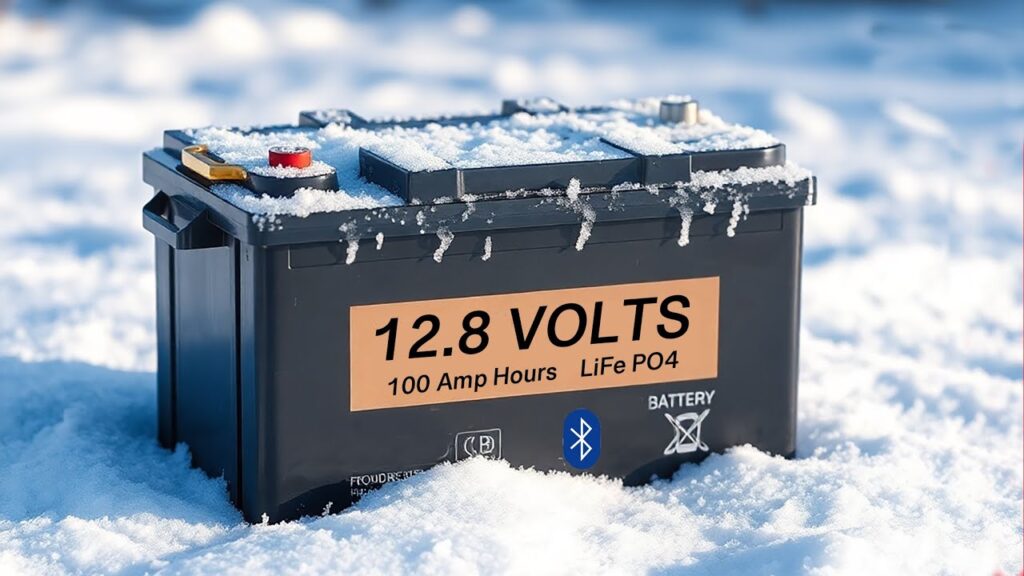
How Cold Weather Affects Lithium Ion Batteries
Let me start with a quick story.
Last winter, my neighbor left his expensive drone in the garage overnight. The temperature dropped to 15°F (-9°C). The next morning? The battery was toast. Completely dead.
But here’s the thing:
Not all cold exposure leads to permanent damage. Sometimes it’s just temporary performance loss.
Let’s break down what actually happens:
Temporary Effects (Reversible)
When lithium-ion batteries get cold, several things happen:
1. Reduced Capacity
Cold temperatures slow down the chemical reactions inside your battery. Think of it like honey in the fridge – everything moves slower.
The result? Your battery acts like it has 30-50% less capacity. A phone that normally lasts all day might die by lunch.
2. Slower Discharge Rates
Your battery can’t deliver power as quickly. This is why your camera might struggle to turn on in freezing weather.
3. Increased Internal Resistance
The electrolyte inside the battery becomes more viscous (thick). This makes it harder for lithium ions to move around.
Permanent Damage (The Scary Stuff)
Now for the bad news.
Certain conditions can cause irreversible damage:
Lithium Plating
This is the big one. When you charge a lithium-ion battery below 32°F (0°C), metallic lithium can deposit on the anode. These deposits (called dendrites) are permanent.
The consequences?
- Reduced battery capacity that never comes back
- Increased risk of internal short circuits
- Potential safety hazards
Physical Damage
Extreme cold (below -4°F or -20°C) can cause:
- Cracking of internal components
- Separator damage
- Electrolyte crystallization
Accelerated Aging
Repeated cold exposure speeds up the normal aging process. Your battery’s lifespan drops from maybe 500 cycles to 300 or less.
Critical Temperature Thresholds
Let’s get specific about temperatures:
Above 32°F (0°C): Generally safe, but expect reduced performance
32°F to 14°F (0°C to -10°C): Danger zone for charging. Using the battery is okay, but avoid charging
14°F to -4°F (-10°C to -20°C): Both charging and high-drain use become risky
Below -4°F (-20°C): Risk of permanent physical damage even when not in use
Pro Tip: These are general guidelines. Check your specific battery’s datasheet for exact specifications.
Real-World Examples
I’ve collected data from various industries on cold weather battery damage:
Electric Vehicles
Tesla owners in Norway report 20-30% range loss in winter. But here’s what’s interesting – the batteries rarely suffer permanent damage because:
- Built-in thermal management systems
- Smart charging protocols that prevent cold charging
- Battery preconditioning features
Smartphones
Remember the iPhone shutdown fiasco? Apple admitted that iPhones would shut down in cold weather to protect the battery. Smart move, actually.
Power Tools
Construction workers often leave batteries in trucks overnight. Bad idea. I’ve seen $200 Milwaukee batteries killed by a single night below freezing.
How to Protect Your Lithium Ion Batteries
Here’s my proven system for cold weather battery protection:
1. Storage Temperature Control
Store batteries at room temperature whenever possible. If you must store them cold:
- Keep them above 32°F (0°C)
- Use insulated storage boxes
- Bring them inside before use
2. The Warm-Up Protocol
Never charge a cold battery immediately. Instead:
- Bring the battery to room temperature (takes 2-3 hours)
- Check the battery case isn’t cold to touch
- Only then start charging
3. Smart Charging Strategies
If you MUST charge in cold conditions:
- Use a slow charge rate (0.1C or less)
- Monitor battery temperature if possible
- Stop immediately if you notice unusual behavior
4. Insulation Solutions
For devices used outdoors:
- Neoprene battery wraps
- Insulated battery compartments
- Hand warmer packs (not directly touching the battery)
Battery Chemistry Matters
Not all lithium-ion batteries are equal when it comes to cold tolerance:
LiFePO4 (Lithium Iron Phosphate): Best cold weather performance. Safe to -4°F (-20°C)
NMC (Nickel Manganese Cobalt): Moderate cold tolerance. Common in EVs
LCO (Lithium Cobalt Oxide): Poor cold performance. Found in most smartphones
LTO (Lithium Titanate): Exceptional cold weather performance but expensive
Advanced Protection Systems
Modern devices often include:
Battery Management Systems (BMS)
These monitor temperature and can:
- Prevent charging when too cold
- Reduce discharge rates
- Balance cells to prevent damage
Thermal Management
High-end applications use:
- Heating elements
- Liquid cooling/heating
- Insulation layers
Common Myths Debunked
Let’s clear up some misconceptions:
Myth: “Keeping batteries in the freezer extends their life”
Truth: This outdated advice applies to old NiCd batteries, not lithium-ion
Myth: “Cold permanently reduces capacity immediately”
Truth: Usually temporary unless you charge while frozen
Myth: “All batteries die at the same temperature”
Truth: Chemistry and quality make a huge difference
The Cost of Cold Damage
Here’s what battery replacement typically costs:
- Smartphone: $50-100
- Laptop: $100-300
- Power tool: $50-200
- EV battery pack: $5,000-20,000
Suddenly, proper storage seems worth it, right?
Future Developments
The industry isn’t standing still. New technologies in development:
- Solid-state batteries with better cold tolerance
- Advanced electrolytes that don’t freeze
- Self-heating battery packs
- AI-powered thermal management
Key Takeaways
Will cold damage lithium ion batteries? Absolutely – but you can prevent most damage with proper care.
Remember these critical points:
- Never charge below 32°F (0°C)
- Temporary performance loss is normal and reversible
- Permanent damage occurs from charging when frozen or extreme cold storage
- Different battery chemistries have different cold tolerances
- Proper storage and handling prevents 99% of cold-related damage
The bottom line?
Treat your lithium ion batteries like you’d treat your smartphone – keep them warm, dry, and happy. A little prevention goes a long way in avoiding expensive replacements.
Take care of your batteries in cold weather, and they’ll take care of you when you need them most. Because there’s nothing worse than a dead battery when you’re counting on it to work.