








Let me guess:
You’ve got a battery pack that needs protection from water. Maybe it’s for your outdoor electronics, an RC submarine, or a DIY project that’ll face the elements.
And you’re wondering: How to waterproof a battery pack without turning it into a science experiment gone wrong?
Here’s the thing:
Water and batteries don’t mix. At all. One drop in the wrong place can mean corrosion, short circuits, or even fire.
But here’s the good news:
Waterproofing a battery pack is totally doable. In fact, with the right approach, you can protect your batteries from everything from light splashes to full submersion.
In this guide, as a professional lithium battery pack manufacturer, I’ll show you exactly how to waterproof your battery pack using proven methods that actually work.
Let’s dive in.
Why Waterproofing Your Battery Pack Matters (More Than You Think)
Before we get into the nitty-gritty of waterproofing techniques, let’s talk about why this is so important.
When water meets your battery pack, here’s what can happen:
Short Circuits: Water creates a conductive path between terminals. This can instantly fry your battery and whatever it’s powering.
Rapid Discharge: Even a tiny bit of moisture can create a path that drains your battery faster than a teenager’s phone at a concert.
Corrosion: This is the silent killer. Water causes the metal components to corrode, especially around the positive terminal where different materials meet.
Swelling and Leakage: Water exposure can cause batteries to swell or leak dangerous chemicals.
In extreme cases? Fire or explosion.
Not exactly what you want from your weekend project.
How to Waterproof a Battery Pack: 3 Main Methods
When it comes to waterproofing battery packs, you’ve got three main approaches:
- Enclosures and Cases
- Conformal Coatings
- Potting and Encapsulation
Each method has its pros and cons. And the right choice depends on your specific needs.
Let me break down each one:
Method 1: Waterproof Enclosures (The DIY-Friendly Option)
This is hands down the most straightforward approach for most people.
Think of it like putting your battery in a really good raincoat.
Here’s what you need:
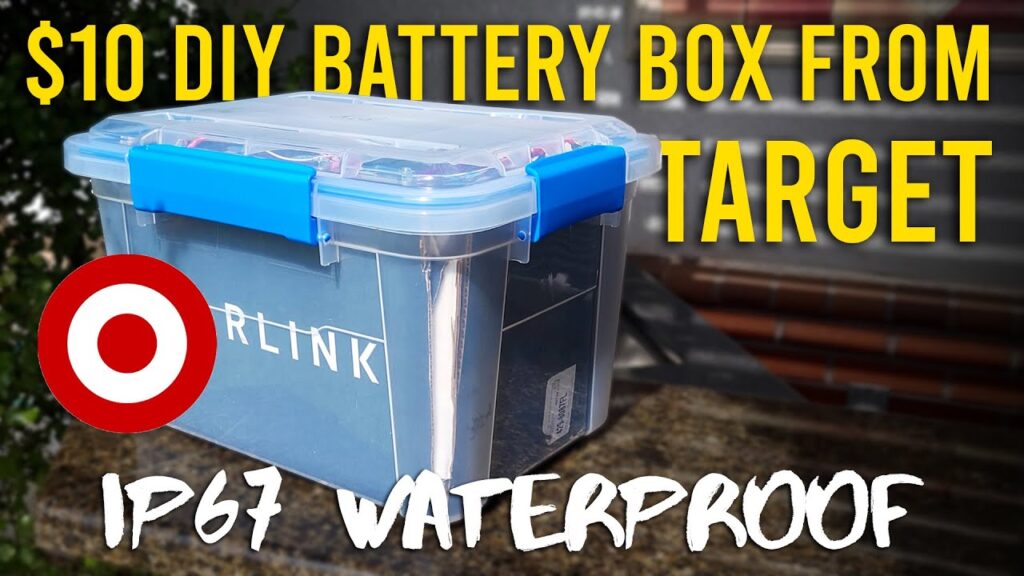
- A waterproof electronics case (look for IP67 or higher rating)
- Silicone sealant (RTV silicone works great)
- Waterproof connectors
- Cable glands for wire entry points
The process:
First, choose a case that’s slightly larger than your battery pack. You want some breathing room.
Next, drill holes for your wires. This is where most waterproofing fails, so pay attention here.
Use cable glands or waterproof connectors at every wire entry point. These create a seal around the wire while letting it pass through.
Finally, seal any remaining gaps with silicone sealant.
Pro tip: Test your enclosure before putting the battery in. Fill it with paper towels and submerge it. If the towels stay dry, you’re golden.
Method 2: Conformal Coatings (The Lightweight Solution)
Conformal coatings are like invisible armor for your battery pack.
These thin protective layers shield your battery from moisture without adding bulk.
Your coating options:
- Acrylic: Easy to apply and remove. Good for basic moisture protection.
- Silicone: Flexible and handles temperature changes well. Semi-permeable to water vapor though.
- Urethane: Great balance of protection and flexibility.
- Epoxy: Maximum protection but impossible to remove.
Application tips:
Clean your battery thoroughly first. Any dirt or oil will prevent proper adhesion.
Apply thin, even coats. Multiple thin layers beat one thick glob every time.
Pay special attention to the terminal areas and any exposed metal.
Let each coat fully cure before applying the next.
Method 3: Potting and Encapsulation (The Nuclear Option)
This is when you completely embed your battery pack in solid material.
Think of it as the battery equivalent of Han Solo frozen in carbonite.
Materials:
- Epoxy resin
- Silicone potting compound
- Urethane resin
The reality check:
Potting provides bombproof waterproofing. Your battery could probably survive a hurricane.
But (and it’s a big but):
Once potted, your battery pack is done. No repairs. No modifications. No takebacks.
Plus, it adds significant weight and can trap heat.
The Critical Component Most People Miss
Here’s what 90% of people get wrong:
They focus on waterproofing the sides and forget about the most vulnerable spot.
The positive terminal dimple.
This is where water damage usually starts. It’s where different materials meet, creating the perfect spot for electrolytic corrosion.
Even if you’re using a waterproof case, you need to protect this area.
Here’s the quick fix:
Put a dab of waterproofing material (nail polish works in a pinch) around the dimple area. Make sure it soaks into the fiber washer and seals all the gaps.
This simple step can mean the difference between a battery that lasts years and one that corrodes in weeks.
Understanding IP Ratings (Your Waterproofing Report Card)
Not all “waterproof” is created equal.
That’s where IP ratings come in. They tell you exactly what level of water protection you’re getting.
Here’s what matters for battery packs:
- IPX4: Splash resistant. Fine for light rain.
- IPX5: Can handle water jets. Good for most outdoor use.
- IPX7: Survives submersion up to 1 meter for 30 minutes.
- IPX8: Continuous underwater use (depth varies).
For most applications, IPX5 or IPX6 is plenty. Unless you’re building a submarine, you probably don’t need IPX8.
Safety Considerations You Can’t Ignore
Before you seal up that battery pack tighter than Fort Knox, consider this:
Batteries need to breathe.
Especially lithium-ion batteries. They can produce gases during charging or if damaged.
A completely sealed enclosure without pressure relief? That’s a potential bomb.
Here’s how to stay safe:
- Include a pressure relief valve for larger packs
- Never use rigid potting materials on lithium batteries
- Ensure adequate thermal management
- Test in controlled conditions first
How to Waterproof a Battery Pack: 5 DIY Steps Guide
Ready to waterproof your battery pack? Here’s my tested process:
Step 1: Assess Your Needs
Ask yourself:
- How wet will it get? (Splashes vs submersion)
- Do I need future access to the battery?
- What’s my budget?
Step 2: Gather Materials
For a basic waterproof enclosure:
- Waterproof case (Pelican or similar)
- RTV silicone sealant
- Cable glands
- Dielectric grease
- Heat shrink tubing
Step 3: Prep Your Battery
- Clean all surfaces
- Apply dielectric grease to terminals
- Wrap individual cells in heat shrink if needed
- Protect the positive terminal dimple area
Step 4: Install in Enclosure
- Mount battery securely (no rattling around)
- Route wires through cable glands
- Seal all entry points with silicone
- Add desiccant packs for extra protection
Step 5: Test Thoroughly
Start with splash tests. Work up to immersion if needed.
Monitor for any signs of moisture ingress.
Advanced Techniques for Serious Waterproofing
Want to take it to the next level? Here are some pro moves:
Double-Wall Protection: Use conformal coating on the battery itself, then place it in a waterproof enclosure. Belt and suspenders approach.
Vacuum Sealing: Some pros vacuum seal their battery packs in specialized bags before enclosure. Removes all air and moisture.
Professional Potting: If you must pot, consider two-part urethane compounds designed for electronics. They’re more forgiving than epoxy.
Common Waterproofing Mistakes to Avoid
I’ve seen these errors sink more battery projects than the Titanic:
Mistake #1: Forgetting about thermal management
Sealed batteries can overheat. Always consider ventilation or heat dissipation.
Mistake #2: Using the wrong sealant
Not all silicones are created equal. Some release acetic acid that corrodes electronics.
Mistake #3: Ignoring wire flex points
Wires moving at entry points eventually break seals. Use proper strain relief.
Mistake #4: Skipping the testing phase
Test with dummy loads first. Your expensive electronics will thank you.
The Bottom Line
Waterproofing a battery pack doesn’t have to be complicated.
For most people, a good waterproof case with properly sealed entry points will do the job perfectly.
Save the exotic coatings and potting compounds for specialized applications where you really need them.
Remember:
The best waterproofing system is the one that matches your actual needs. Not what looks coolest on YouTube.
Start simple. Test thoroughly. Scale up only if needed.
Because at the end of the day, the goal is keeping your batteries dry and your projects running.
Not winning an engineering award.
Now you know exactly how to waterproof a battery pack using methods that actually work in the real world.
Time to put that knowledge to use.