








Lithium batteries have become increasingly popular in recent years due to their higher energy density and faster charging capabilities compared to lead acid batteries. However, you need to use a compatible lithium battery charger and cannot use a regular lead acid battery charger. In this article, as a professional lithium battery supplier, I’ll explain exactly why regular chargers damage lithium batteries and how to properly charge them.
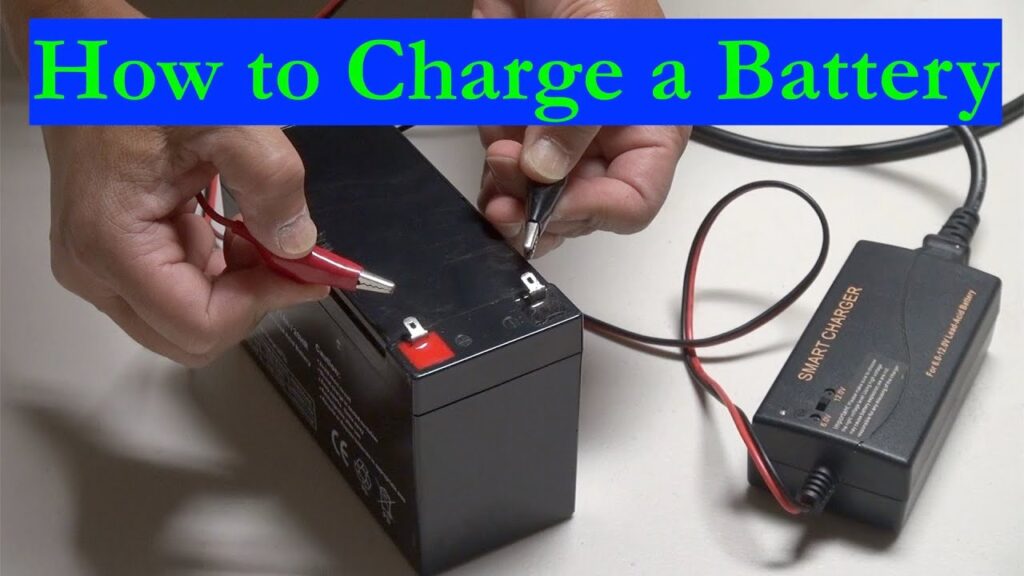
Overview of Lithium Battery Charging
Lithium batteries require a specific charging algorithm called CC/CV (Constant Current, Constant Voltage). This charges the battery with the maximum safe current until it reaches a set voltage level. The charger then maintains the voltage while the current slowly drops as the battery reaches full capacity.
Most lithium batteries have a built-in protection circuit that disables the battery if the voltage or current limits are exceeded. This prevents damage from overcharging or short circuits.
Key Differences Between Lead Acid and Lithium Batteries
There are a few important differences that mean lead acid chargers should not be used on lithium batteries:
Narrower Voltage Range
Fully charged lithium batteries typically operate between 12.6V and 13.2V. Lead acid batteries work over a wider 11V to 15V range. If a lead acid charger applies more than 13.2V it will damage the lithium battery.
No Trickle Charging
Lead acid chargers switch to a low current “float” or “trickle” charge to maintain the battery at full capacity. Lithium batteries do not need trickle charging and it will degrade the cells over time.
Built-in Protection Circuits
Applying overvoltage or undervoltage to a lithium battery will trigger the protection circuit and disable the battery. Most protection circuits have to be manually reset.
Charge Voltage Accuracy
Lithium batteries require very precise charge voltage control. Even small variations above the maximum rating degrades the battery and shortens lifetime.
Risks of Using a Lead Acid Charger on Lithium Batteries
Here are some of the main risks if you use a standard lead acid charger on a lithium battery:
Premature Battery Failure
The slightly higher voltages lead acid chargers apply accelerates capacity loss and shortens the battery lifetime, leading to premature failure.
Damage From Overvoltage
Exceeding the maximum charge voltage damages the cathode material inside lithium battery cells. This capacity loss is permanent.
Safety Hazards
Overcharging lifts the battery temperature and pressure. In an uncontrolled environment this could lead to thermal runaway, fires or explosions.
Fault Codes and Protection Circuit Activation
Unsupported charging regimes trigger the protection circuit which disables the battery. This may require a manual reset depending on BMS design.
Recommended Lithium Battery Chargers
To properly charge lithium batteries without risk of damage, you need to use a compatible lithium ion charger. There are two main types:
CC/CV Chargers
These provide the precise current and voltage control lithium cells require. They rapidly charge to around 80% capacity using maximum current then maintain voltage as current slowly drops.
Smart Chargers
Advanced lithium battery chargers have extra protection features and battery communication circuits. This allows features like cell balancing, temperature monitoring, and automatic cutoff when fully charged.
I recommend choosing a high quality lithium charger from reputable brands tailored to your battery specifications. Pay attention to the voltage and current ratings which must match your battery. This gives optimal performance and long lifetime.
Charging Lithium Batteries Safely
Here are my top tips on safely charging your lithium battery without risk of damage:
- Always use the correct lithium ion charger for your battery model
- Don’t use lead acid or multi-chemistry chargers even if they have a lithium setting
- Monitor the battery temperature and stop charging if it gets too hot
- Charge in a fireproof location and don’t overcharge
- Don’t discharge below the minimum voltage – this stresses lithium cells
- Consider a smart BMS-equipped battery for extra protection
Following these lithium battery charging safety guidelines prevents cell damage from overcharging and gives you years of reliable operation. Let me know in the comments if you have any other lithium battery charging questions!