








Connecting batteries into a battery pack allows you to increase voltage, capacity, or both to power devices requiring more electrical power. But wiring battery packs properly takes skill and care to avoid electrical hazards or damage.
In this comprehensive guide, as a professional lithium battery pack manufacturer, I’ll teach you to safely create custom battery packs to power everything from DIY projects to solar energy systems.
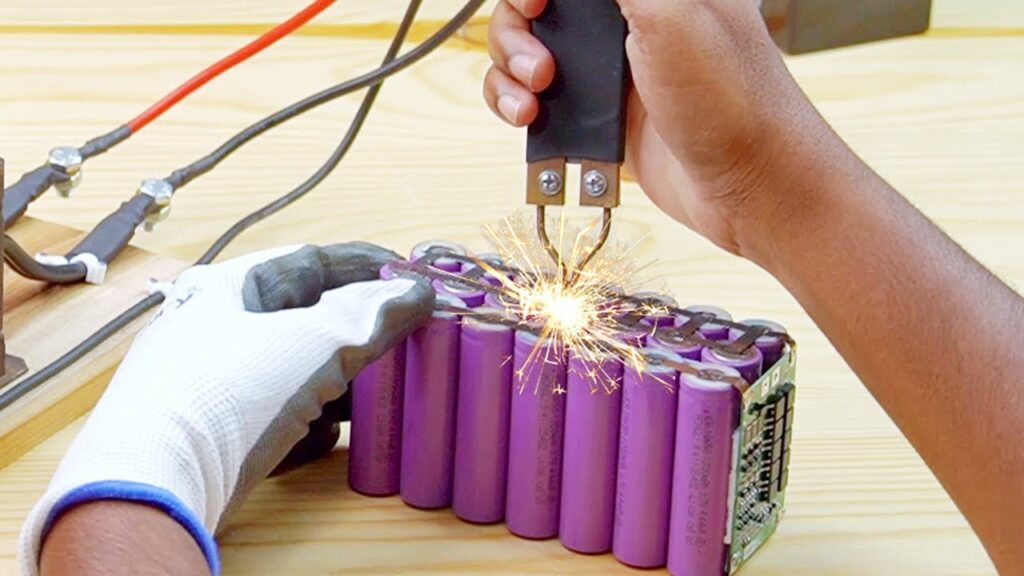
Why Wire Your Own Battery Pack
Building your own battery pack allows customizing voltage and capacity to your exact needs. Premade battery packs can be expensive and limit your design options. By wiring your own, you can:
- Get more power to run high-drain devices
- Extend runtime for longer use between charges
- Combine mismatched old batteries to reuse
- Save money over commercial packs
With the right techniques, wiring battery packs is safe, fun, and empowering. Let’s start with the basics of battery connections.
Battery Wiring Fundamentals
Batteries can connect in series to increase voltage, in parallel for more capacity, or in series-parallel configurations:
Series Connections
Connecting batteries in series joins the positive terminal of one to the negative terminal of the next, creating higher combined voltage:
- Maintains the same capacity (Amp-hours)
- Handles same current flow safely
For example, two 12V 10Ah batteries wired in series produces 24V 10Ah.
Parallel Connections
Wiring batteries in parallel joins all positive terminals to each other and all negative terminals to each other, increasing capacity while keeping voltage the same:
- Doubles capacity with two batteries
- Splits current flow across batteries
So two 12V 10Ah batteries in parallel create 12V 20Ah.
Series-Parallel Combinations
With larger battery banks, you can wire batteries in a series-parallel configuration gaining both extra voltage and capacity:
- Versatile for complex multi-battery packs
- Balances current flow across strings
For example, four 12V 10Ah batteries can create two 24V 10Ah strings in series, then parallel the strings for 24V 20Ah total.
Now we’ll cover specific wiring methods to construct safe and reliable DIY battery packs.
How to Wire a Battery Pack Step-By-Step
1. Choosing Batteries
Matching battery chemistry, voltage, age, and capacity is critical for even charging/discharging:
- Same type (lead-acid, lithium-ion, NiMH)
- Same nominal voltage
- Similar internal resistance
- Within 0.1V voltage under load
- Same production batch ideally
Mismatched batteries stress unevenly in packs shortening life, reducing capacity, and causing failures. Always include overcurrent/overdischarge protection too for safety and longevity.
2. Calculate Wiring Gauge
Determine expected max current draw and size wiring for 125-150% of that when possible. Undersized cables overheat severely degrading performance. I recommend:
- Up to 5A: 16 AWG
- Up to 10A: 14 AWG
- Up to 15A: 12 AWG
- Up to 20A+: 10 AWG or lower
Don’t forget to account for voltage drop over longer cable runs too. Thicker wires minimize losses.
3. Secure Connections
Create robust junctions between batteries ensuring minimal resistance:
- Clean contact areas thoroughly before connecting
- Clamp tightly or solder appropriately sized cables
- Insulate exposed terminals completely
Avoid direct short circuits especially working with bare battery tabs. Wear safety glasses in case of sparks, explosions or leaks!
4. Wire Management
Neat wiring looks professional, allows inspection, and prevents loose shorts.
- Cut all cables to proper length
- Route cleanly through space provided
- Strain-relieve heavy wiring
- Allow slack near connections
- Label polarity and terminals
Heatshrink tubing insulates cables and terminals for safety. Cable ties and wire loom keeps things organized in more complex battery packs.
5. Charging/Discharging Care
Treat your custom battery pack properly for best performance and longevity:
- Use only compatible smart chargers
- Never discharge too low
- Allow reconditioning/balancing
- Keep within safe temp range
Follow charging specs for your particular battery chemistry an capacity. Overcharging and deep discharging should be prevented with charging systems, protection PCBs or low-voltage cut-off circuits for most types.
Safety First!
Working with batteries and power tools poses risks of shock, burns or blindness if proper precautions aren’t taken:
- Wear eye protection
- Insulate yourself from work surface
- Avoid touching eyes/face
- Have vinegar on hand to neutralize spills
- Learn safety procedures for your battery type
Take your time, double check polarity before powering up your creation and enjoy your custom battery pack safely!
Key Takeaways on DIY Battery Pack Wiring
Remember these critical tips when wiring your own battery bank:
- Use identical batteries in terms of chemistry, capacity and age
- Parallel similar capacity strings for balance
- Size wiring for max expected current plus margin
- Make robust, low resistance connections
- Organize carefully, label and insulate
- Include protection circuits and fuses
- Follow charging specifications
- Take safety precautions seriously
With attention to detail, you can assemble battery packs providing just the right performance. Whether for powering hobby electronics, electric vehicles, off-grid solar systems or other applications, correctly wired custom battery banks save money and work great.
The skills you learn making your own also translate working with commercial battery packs later on. I encourage beginning with lower voltage 2S and 3S assemblies to practice before moving to more complex battery wiring projects. But with safety foremost, DIY battery packs can power amazing things!
What projects are you planning that need custom battery packs? Let me know in the comments if you have any wiring questions!