








Lithium ion batteries power most of our devices today, from phones and laptops to electric vehicles. But what happens if you leave them charging too long? Will lithium ion batteries overcharge if left on the charger overnight, or could that lead to reduced battery lifespan and even fires?
As a professional lithium ion battery supplier, I decided to dig into the latest research to find out whether it’s safe to leave your li-ion battery charging for extended periods. Here’s what I uncovered.
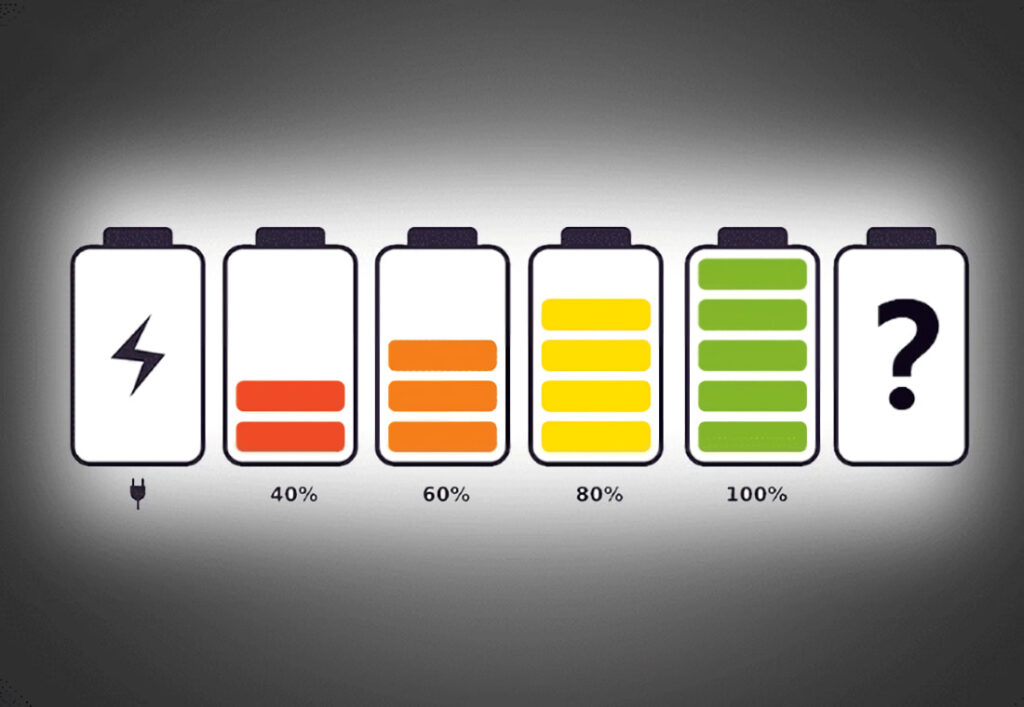
Will Lithium Ion Batteries Overcharge?
The short answer is no – you technically can’t overcharge modern li-ion batteries. That’s because they have special circuitry built into the battery itself to prevent overcharging once the battery reaches 100% capacity.
According to battery scientists, “From a purely technical standpoint, you cannot overcharge lithium-ion batteries as long as they are in good working order.”
In other words, li-ion batteries have a safety mechanism that stops the flow of power once the battery hits its upper voltage limit, which is typically around 4.2 volts. So unless that safety circuitry fails or gets damaged, overcharging isn’t possible.
Risks to Extended Charging Sessions
However, just because the batteries won’t technically overcharge doesn’t mean you should leave them plugged in indefinitely. Doing so can still degrade the battery’s lifespan and performance over time.
Here’s why:
Lithium ion batteries can only handle so many charge/discharge cycles before they begin to wear out. Generally, li-ion batteries last anywhere from 300 to 500 full charge cycles before their capacity starts dropping substantially.
And if you leave the battery charging overnight while it’s still powering your device, it goes through minor charge/discharge cycles constantly as apps and background processes use and then replenish power from the battery.
Over time, all those micro charging cycles add up and will cause your battery capacity and lifespan to degrade faster.
So while lithium ion batteries may not technically overcharge, leaving them plugged in well past 100% for extended periods can still damage longevity.
Tips to Prevent Excess Battery Wear
Luckily there are a few simple things you can do to reduce unnecessary charging cycles:
- Unplug devices once they reach 100%. For phones, tablets, and laptops, manually disconnect the charger once your device shows a full charge rather than leaving it plugged in indefinitely.
- Use battery saver mode or turn devices off overnight while charging. This prevents background app activity from constantly pinging the battery.
- Avoid high temperatures. Heat also degrades li-ion battery lifespan over time, so don’t cover devices or charge them in extremely hot areas like a closed car.
- Consider partial charges instead of full top-offs. With electric vehicles, for example, experts recommend charging just enough for your daily driving needs rather than always filling up to 100%. That helps reduce charging cycles.
So in summary – while overcharging li-ion batteries isn’t technically possible, you can still inadvertently damage longevity by leaving devices plugged in too long after reaching full capacity. Using battery saver modes, disabling background activity, monitoring temperatures, and avoiding unnecessary full charges are smart ways to maximize battery lifespan.
Frequently Asked Questions
Still have questions about lithium ion battery charging? Here I’ll cover some of the most common li-ion battery FAQs:
Can Li-Ion Batteries Explode From Overcharging?
In extremely rare cases, yes – if both the internal safety circuitry fails AND the battery ruptures, exposed lithium can react rapidly with air and combust. However, the chances of both happening simultaneously are extremely low, making explosions very unlikely.
Does Overcharging Increase Li-Ion Battery Capacity?
Technically yes, but only very slightly. Letting a li-ion cell rise above the typical 4.2 volt cutoff might give you another 1-2% bump in capacity before the safety mechanisms kick in. However, it also accelerates cell degradation so any capacity gains will disappear after a few cycles. Not worth the trade-off.
Is It Bad to Completely Drain Li-Ion Batteries?
Yes – fully discharging lithium ion cells below 2-3 volts/cell will damage their longevity and capacity over time. And repeatedly doing so compounds the damage. Best practice is keeping discharge cycles within the 20-80% charge range whenever possible.
What Happens Inside an Overcharged Li-Ion Battery?
Excess charging adds pressure and heat buildup thanks to the continuing chemical reactions, while providing no extra usable energy since all capacity has been reached. Prolonged exposure to heat and pressure accelerates cell degradation. The battery management system should prevent truly dangerous overcharge states though.
So in closing, modern li-ion battery chemistry and charging safeguards make overcharging nearly impossible during normal usage. However, for maximum battery health, avoid unnecessary “trickle charges” by unplugging devices once fully charged, using battery saver modes, and minimizing exposure to high temperatures when possible.